
Maximizing Positivity: Top 5 Vastu Principles for Modern House Plans
Today, in the modern architecture, the main emphasis is no longer on the physical stability of the building, but on the overall health of the occupants. Since a large part of our lives is at home, the energy of our living rooms has a dangerous influence on our state of mind, our physical health, and our general well-being. It is at this point that the old Indian science of architecture called Vastu Shastra comes in very handy. The use of Vastu in the contemporary house plan is neither superstition but simply a matter of ensuring that the natural forces circulate in the most efficient way and that the natural elements of your house are in harmony with them.
In the planning of a modern house, it is sometimes difficult to reconcile aesthetic minimalism with the energy flow of the house. Nevertheless, through the usage of these five best Vastu principles, houseowners will be able to help develop a place to be positive and encouraging.
1. The Strength of the Entrance: Orientation and Position.
Home entrance is the so-called mouth of the building, which is where all energy (Prana) enters in a positive manner. The number of the most important factors in the plans of houses in modern houses is the location of the main door that can guarantee the favorable atmosphere.
The Vastu suggests that the best directions to consider the main entrance are the North, Northeast or East. These guidelines are linked to the morning sun and the magnetic poles, and they introduce renewed orienting energy which is lively and fresh. An entrance that faces North is said to bring wealth and career and an East entrance is said to bring enlightenment and family peace.
In the current designs, the entrance should be bright and it should not have any obstructions such as tree shadows or utility poles. The door must also be the biggest in the house and preferably it should open clockwise. When a living space is clean and is free of any clutter, the positive energy of the space will flow smoothly to the rest of the premises.
2. The Northeast Zone: The place of Peace.
The Northeast is the holiest place in Vastu Shastra, and it is called Eshanya. It is controlled by the water aspect and it is the place where the magnetic energies of the North intersect the solar energies of the East. This area should be light, open and clean to ensure that it is as positive as possible.
A meditation room, a prayer room, or a serene study would be the most suitable placement in a contemporary floor plan at the Northeast. Unless the building design makes it impossible, there can be an invitation to the advantageous ultraviolet rays of the early morning sun of this direction, with its natural disinfecting and mood-giving qualities, through the presence of big windows or a balcony facing it.
The architects are not supposed to locate heavy buildings, toilets, and kitchens in the Northeast. Excessive working within this zone may result in psychological pressure and stagnation of the creative power. The space of this area should be kept open so that the head of the Vastu Purusha (the metaphysical soul of the building) is cool and clear.
Recant Posts

Plants and Symbols in Vastu That Bring Good Luck
April 3, 2026-
How to Choose the Right Builder in Uttar Pradesh
April 1, 2026
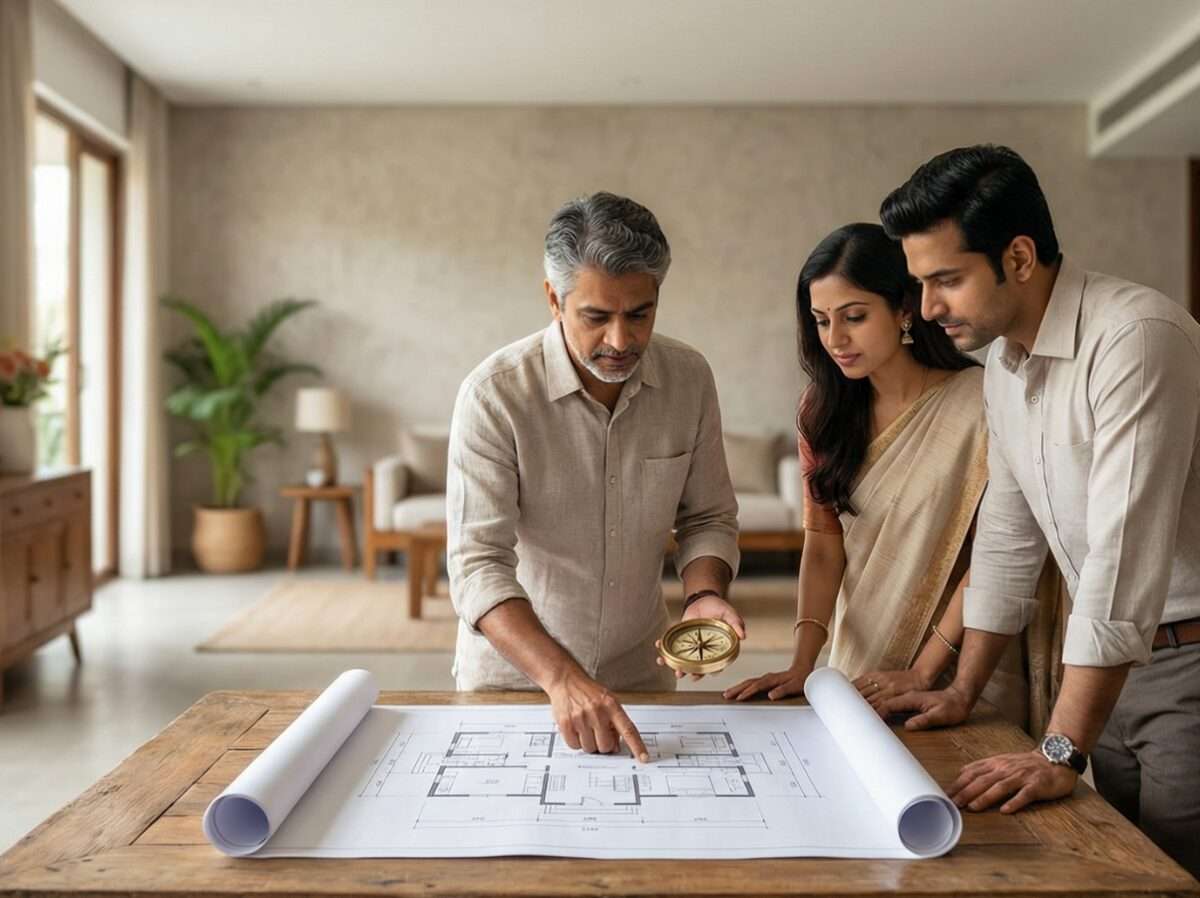
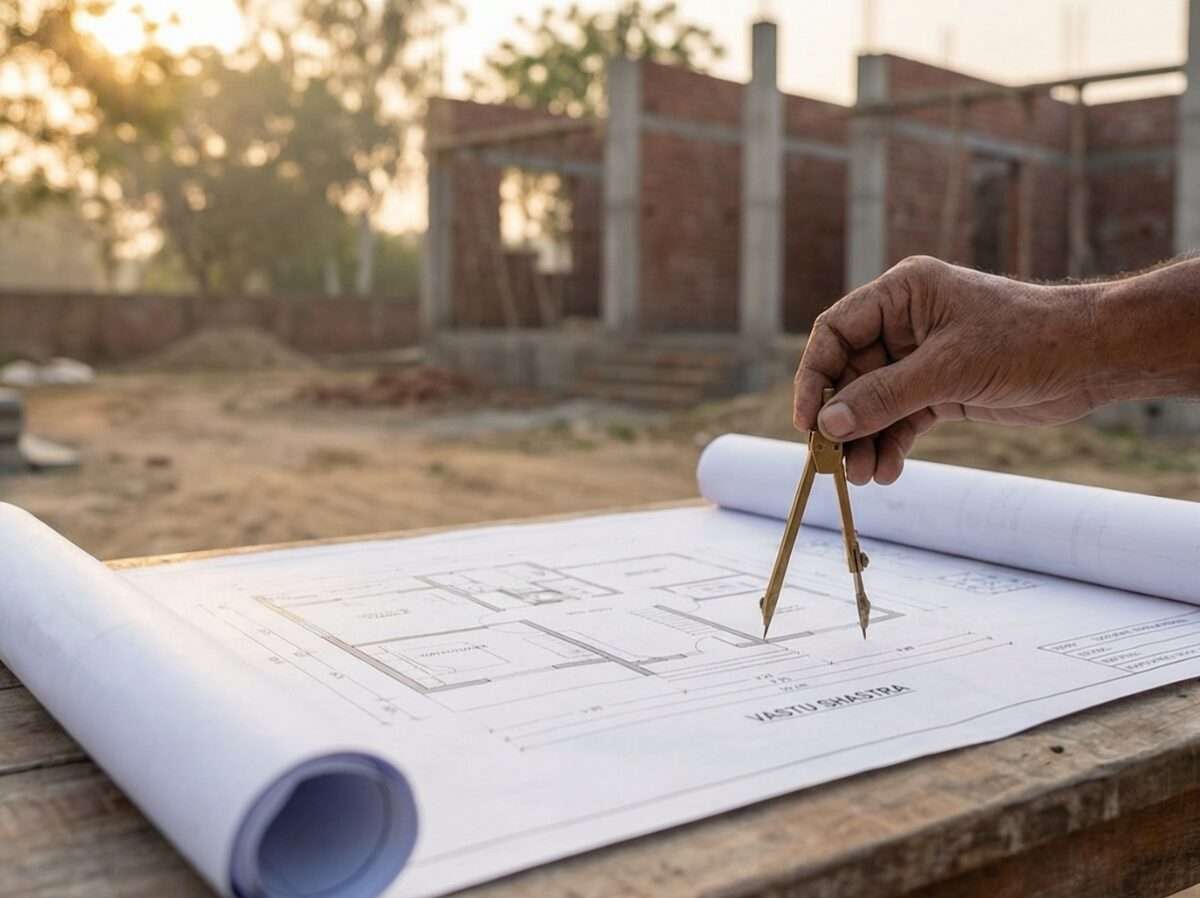
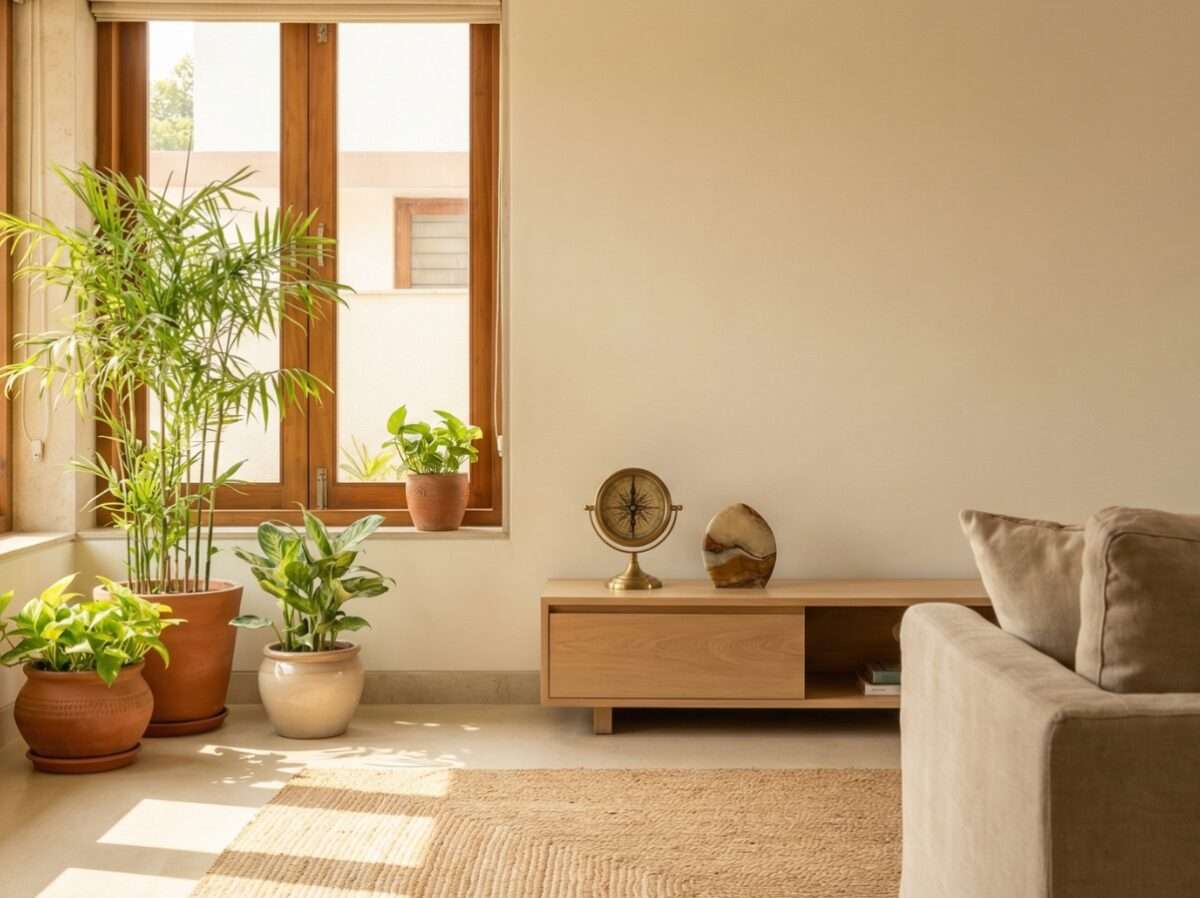
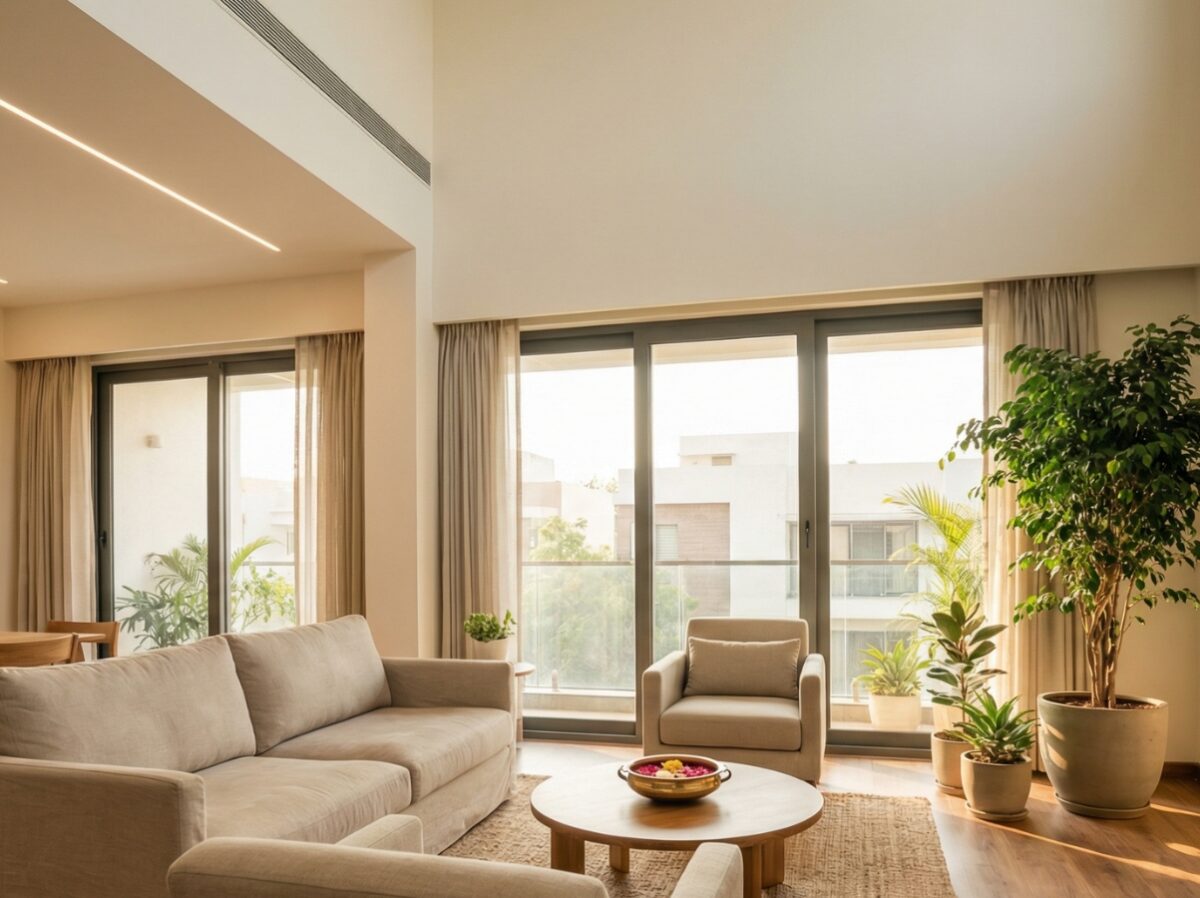
3. The Kitchen: Fire Element Harnessing.
The central part of the house is the kitchen which is the symbol of Fire (Agni). It is the breadwinner and the life-blood of the family. According to Vastu, the Fire element is associated with the Southeast corner and so the best place to put the kitchen.
In contemporary free plan designs, the cooking stove should be located at the Southeast where the cook is turned to face the East as she cooks the food. This orientation is claimed to give the food good intentions and health-giving power. In case of unavailability of the Southeast, the Northwest would be a good alternative.
Most of the house plans in the modern world involve heavy appliances such as refrigerators and ovens. According to Vastu, the refrigerator should be located in the Southwest or Northwest position whereas the sinks and sources of water should be in the Northeast corner of the kitchen. This brings about a balance between the conflicting forces of fire and water, domestic friction and economic unsteadiness are avoided.
4. Master Bedroom: Grounding in the Southwest.
The Earth element, which is a sign of stability, power, and longevity, controls the Southwest corner, or, in other words, Nairrutya. This makes it the best place of the master bedroom. To the owner of the house, residing in the Southwest will guarantee a feeling of control and rootedness.
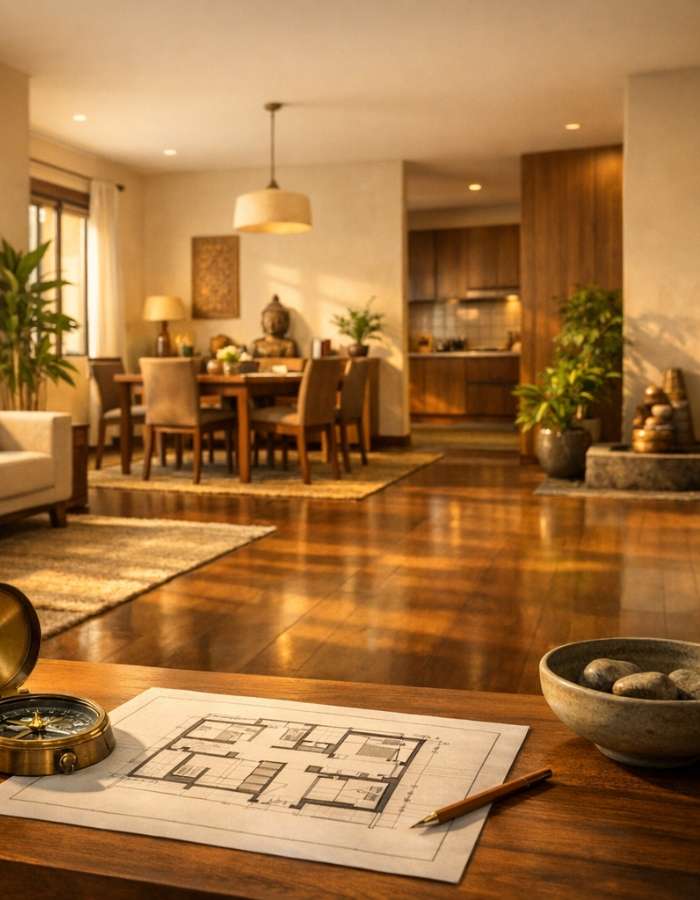
When designing the bedroom interior, one should position the bed in such a way that the head faces the South or the East. It is important to avoid having the head in a Northward orientation because the magnetic attraction of the earth may disrupt the quality of sleep and even blood flow.
Bedrooms in modern days architecture are designed with adjoining bathrooms. According to Vastu, such bathrooms should either be towards West or South of the room, without a wall with the headboard of the bed. You keep the affluence and permanence of the house, by preserving the Southwest as a massive, dense area with minimum large holes.
5. The Heart of Space: the Brahmasthan.
The Brahmasthan is the center of the house where it is preferable that there is no heavy construction and therefore the Brahmasthan is supposed to be open. This space is the lungs of the house and the energy can freely move between all other maintainable spaces.
The Brahmasthan is equivalent to the living room or a central courtyard in many contemporary house designs. The last thing is not to place the pillars, staircases, and toilets at the very center of the floor plan. Clear central space means that the energy will not be choked in one, which will result in improved health and communication by the family members. Occasionally the skylight in the main room is a wonderful idea when you have a multi-story plan in your modern design as it is a magnificent method to introduce natural light and heavenly energy into the heart of the house.
True to Precision Designing: The Way Contec.app Makes Your Planning Better.
Interpretation of these ancient Vastu principles into a representational architectural drawing in the contemporary world needs a precision and a cogent idea of the spatial dynamics. Here is where Contec.app will prove to be a vital partner to both homeowners and architects and a contractor.
contec.app is an all-encompassing online platform that is aimed at facilitating the process of building and designing. The platform helps users to bridge the gap between the conceptual drawings and the blueprints that can be executed through the assistance of advanced technology. Need to incorporate Vastu compliant areas or make the most use of a small urban structure, the Contec will supply the instruments to manage the modern day buildings.