
Top 10 Architectural Trends in 2026 for Modern Indian Homes
Indian residential architecture is changing at a very fast rate. With the shift in the lifestyles, growth of technology and the focus on sustainability as the main topic of the design approach, both homeowners and architects have welcomed new trends that are transforming the concept of modern life in India. In 2026, there is also a more concentrated emphasis on aesthetics there are design choices that are based on environmental responsibility, smart living, cultural identity, and even functional comfort. Either you are doing a new construction or refurbishing your current house, it is always good to learn about these emerging trends in architecture so that you can make a wise design choice that entails a mixture of both style and purpose.
The following are the top 10 architectural trends that would influence the Indian homes in 2026.
- Responsive and Environmentally-Sustainable Design.
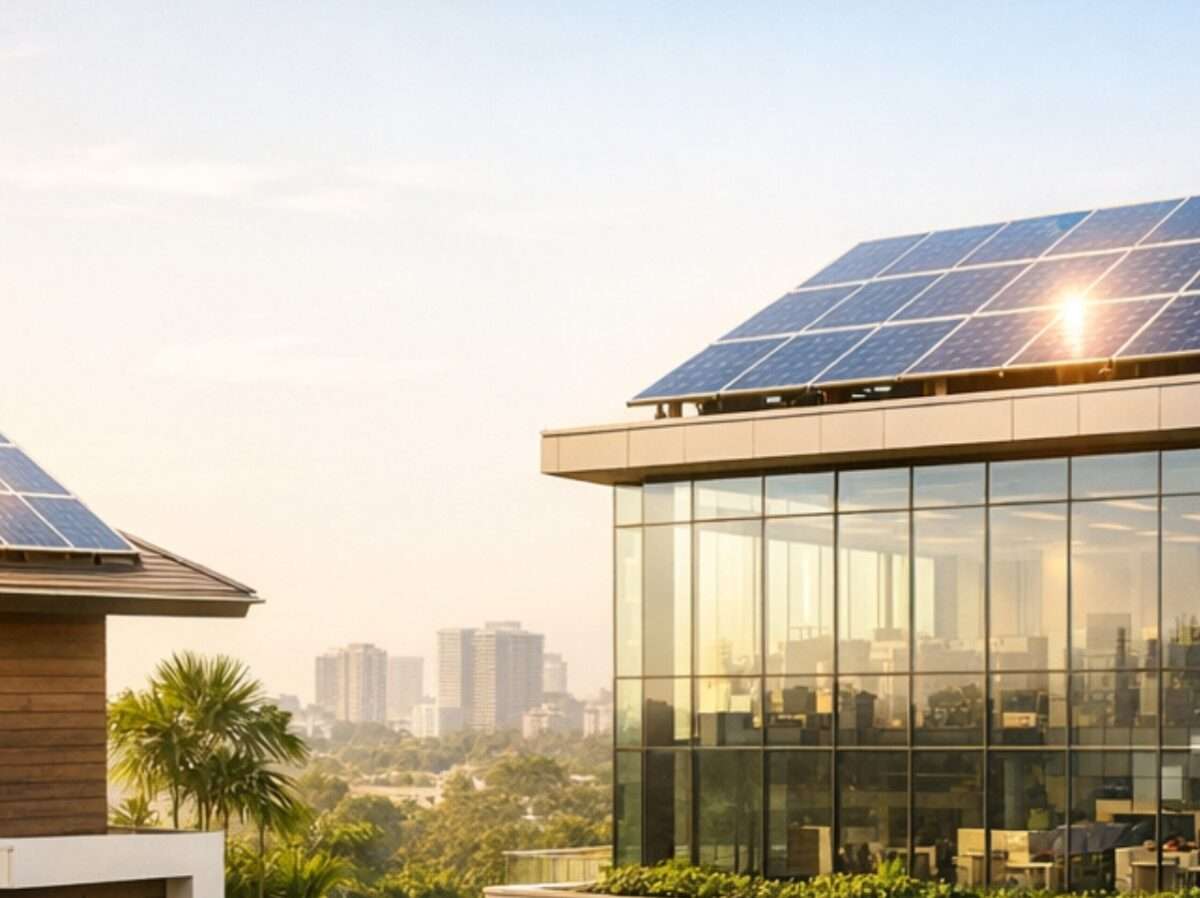
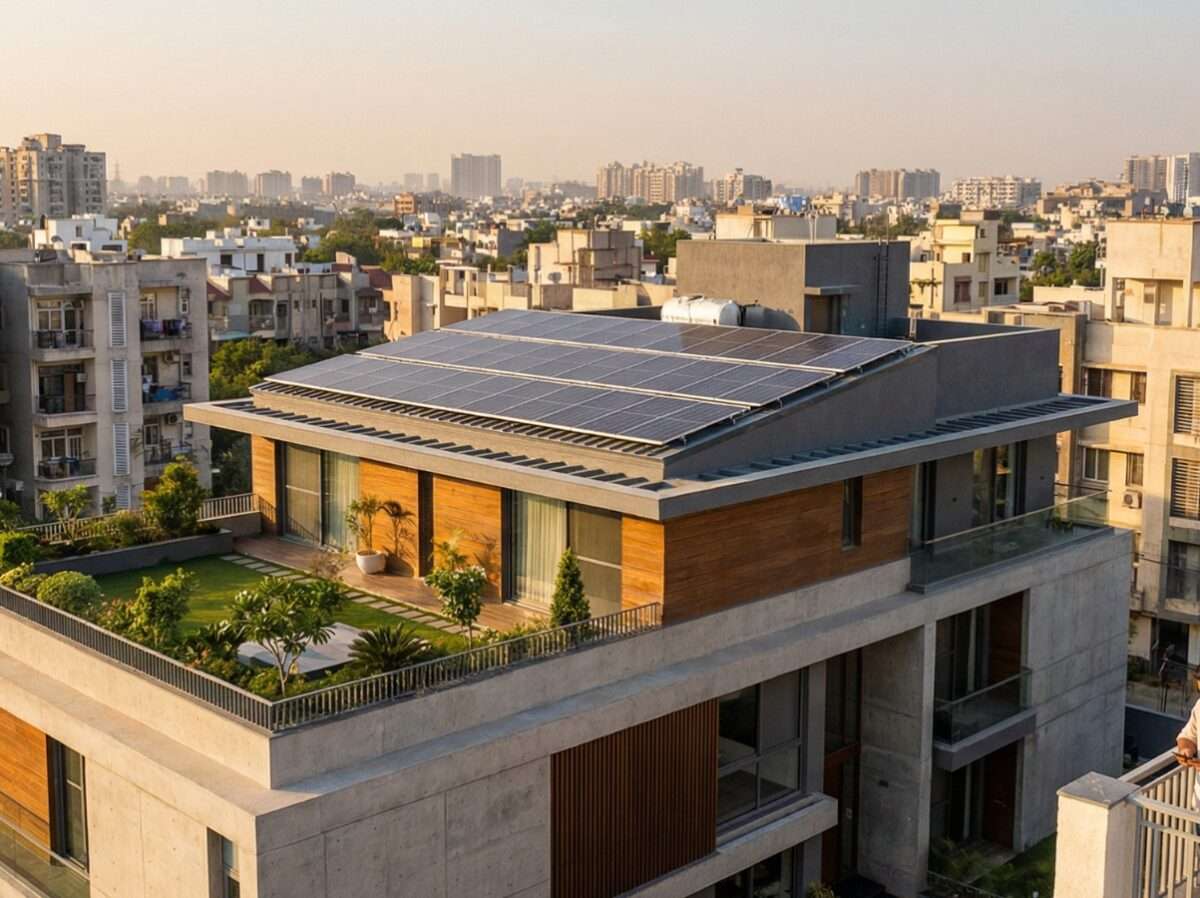
Sustainability is no more a buzzword it is a need. The various weather conditions in India make the homes to be designed in response to the weather conditions around the home, this will contribute to making the home more comfortable and help limit the amount of energy consumed. Passive cooling, natural ventilation, harvesting rain water, and the use of locally available materials are taking off. Architects are also focusing on architectures that do not need mechanical heating and cooling and make the houses more energy efficient and environmental resistant.
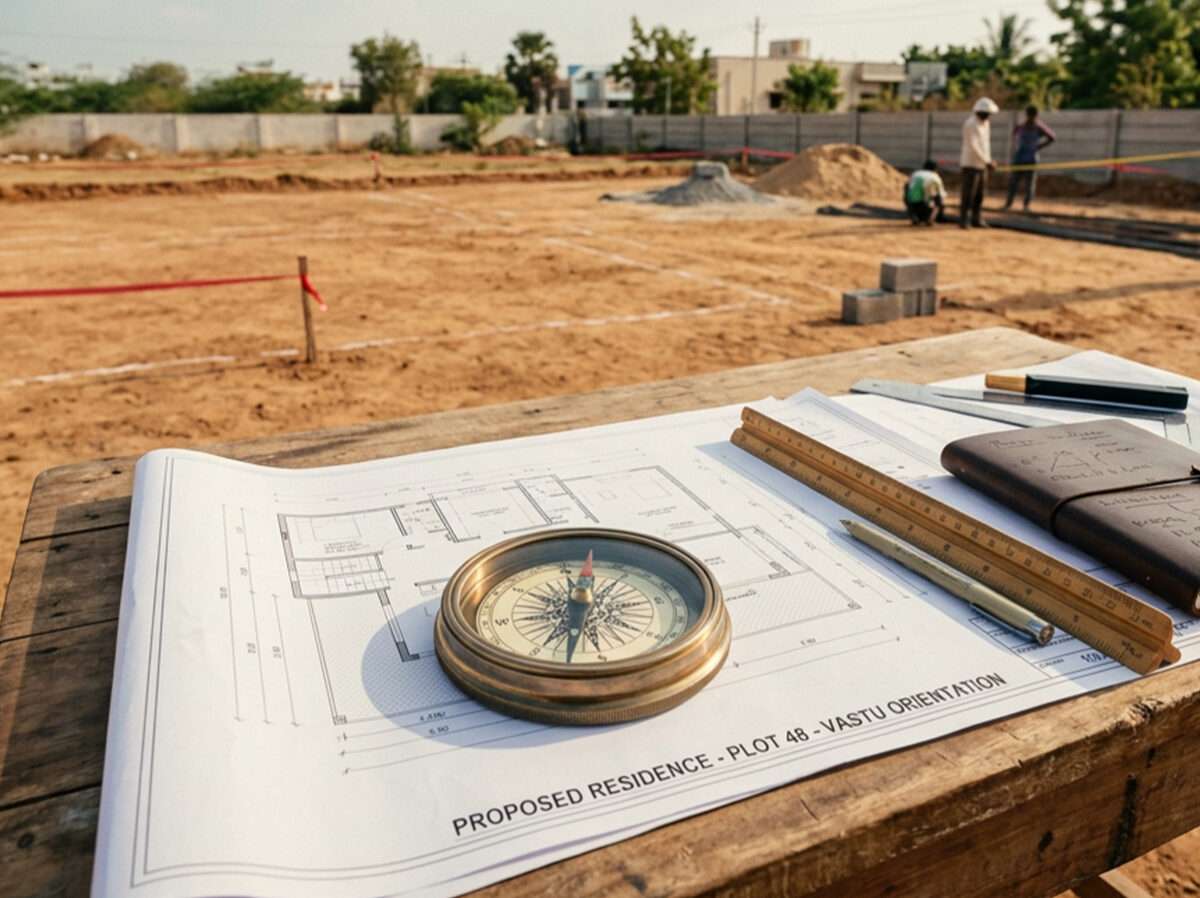
Thermal insulation, rooftop gardens and solar orientation planning are some of the features that assist in managing the temperatures of the interiors in a natural manner, which means less electricity expenses and healthy living conditions.
- Smart Home Technology Integration.
The revolution of smart home has swept Indian homes with more and more momentum. Integrated technology will cease to be a collection of independent gadgets in between 2026 and totally bonded ecosystems. Smart homes are turning intuitive with automated lighting, climate control and voice activated appliances.
The Indian homeowners are after convenient connectivity among Indian devices, centralized controls, and highly automated homes focusing on convenience and safety. Smart solutions are not exclusive to luxury houses anymore; it is becoming a standard product due to the availability of affordable technology and the rise in the desire to be convenient.
Recant Posts

Emergency Plumbing Issues That Need Immediate Attention
March 2, 2026-
Things to Check Before Hiring a Plumbing Service Company
March 2, 2026 -
How Vastu Can Improve Business Growth and Workplace Productivity
February 27, 2026 -
DIY Electrical Safety Tips Every Homeowner Should Know
February 26, 2026

- Malleable and Adaptive Spaces.
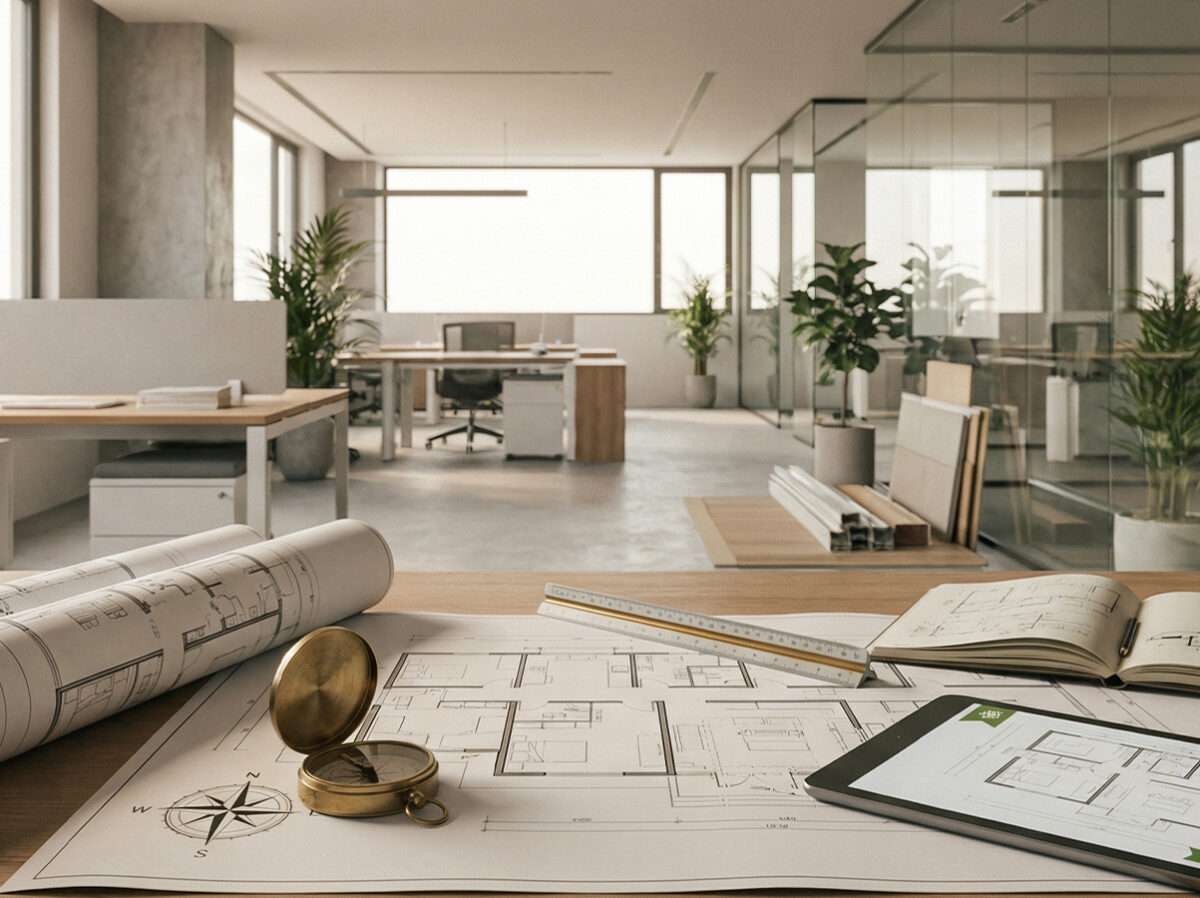
Contemporary Indian households are reconsidering the traditional room design. As remote work, virtual learning, and multi-generational living become a norm, the ability to be more flexible in the utilisation of space is essential. Open plans and convertible spaces are trending as opposed to fixed and rigid room functions.
Workspaces can be converted into social areas in the evening and vice versa hence provide versatility. Easy access to areas through sliding by partitions, mobility of furniture, modular design pieces enable spaces to change with need and this is reminiscent of a move to functional and human oriented living.
- Biophilic Architecture
Biophilic architecture has remained in the Indian residential architecture and the nature is carried to the interior. The trend is in recognition of the psychological and physiological advantage of relating to natural elements. Massive windows and internal gardens, vertical green walls, natural materials (wood and stone) and waters are being added.
In cities that might lack sufficient outside areas, biophilic features can be used to build relaxing spaces, enhance the quality of air, and enhance the well-being of urban dwellers. The tendency is part of the larger trend in the global shift toward healthier and nature-friendly constructed spaces.
- Minimalism without Ignoring the Culture.
Minimalism is not as impactful however in India it is being redefined and given a cultural twist. The classical concept of minimalism related to the rigid simplicity is being substituted with the more welcoming and gentle concept that incorporates minimal design with Indian aesthetics.
There are straight lines, minimal clutter and reserved coloration in the house, but there are also some artisanal touches (woodwork, traditional motifs or local crafts). This amalgamation is one that is simple and yet not cultural.
- Finishes and Materials with a Green Spirit.
The future of residential design has been pioneered by material innovation. Rammed earth, terracotta, lime plaster, recycled composite materials among other earth-inspired are becoming popular. These materials do not only minimize the wastes in construction, but also help in thermal comfort and beauty.
These finishes also provide texture and authenticity to the interiors in addition to being sustainable. The architects of India are also exploring the old building materials and construction methods and redefining them in modern constructions.
- Indoor-Outdoor Living
Indoor-outdoor living is becoming a common trend in the Indian cities and towns. Having little space in urban areas, designers redesign balconies, terraces, and courtyards as continuation of the living spaces. These transition spaces let in the natural light, enhance ventilation, and make houses look larger.
Green balconies, landscaped terraces, and shaded outdoor seating areas make people closer to nature and help them feel that space is open and airy, which is consistent with wellness-related lifestyles.
- Custom and tailor-made Interiors.
Indians are opting to customize their homes. Ready-made design models are being replaced by customized designs that are based on the preferences, tastes, and life requirements.
Between bespoke storage systems and custom-made pieces of furniture and finishes, there is the focus on the interpretation of areas that are intimate instead of perfunctory. This movement instantiates an even larger change in the direction of experiential design homes which narrate a story and respond to the daily patterns of their occupants.
- Solutions to Multi-Generational Living.
The cultural landscape of India continues to embrace the multi-generational lifestyle and architecture is reflecting on it. Modern houses are now designed to accommodate more than one generation with grace and privacy as opposed to small rooms and vaguely defined guest rooms.
Independent access, partitions which can be changed, separate suites and deliberate zoning permit families to stay together without having to give up comfort and privacy. Bathrooms, storage, and common space design: Incorporating cautious planning of the bathrooms, storage, and common sections is important in ensuring that the home is functional to all ages.
- Target Focus on Wellness and Mental Health.
Wellness architecture is also one trend in Indian homes in the year 2026. In addition to physical comfort, the design strategies are now much more concerned with mental well-being. It is usually characterized by natural light, good ventilation, access to views, silent retreat areas, as well as areas specifically used to relax or meditate.
Conclusion
The way architecture will look in 2026 is a consideration of innovation, sustainability, cultural identity and lifestyle requirements. Indian homes are no longer mere structures, they have become versatile, smart and life-enriching spaces that were created to suit the dreams of the current homeowners.
These tendencies are transforming the manner in which the Indians live and engage with their houses, focusing on eco-friendly materials and intelligent technologies as well as flexible layouts and personal spaces. When you are planning your next home project, you need to take these trends into account as a way of improving the aesthetics, as well as, their ability to make your home more comfortable, have less impact on the environment, and provide a holistic lifestyle.
With such changes of architecture, the Indian houses will keep on changing their forms by not only being eye-catching but also being sustainable, practical and closely to life they house.