
How Solar Panel Installation Can Help You Save on Energy Bills: A Comprehensive Guide
With the world adopting renewable sources of energy, a good number of homeowners are resorting to solar panels as the way to go in order to cut down their power bills, and add into a cleaner atmosphere. As solar technology has developed, and incentives exist, the time is right to consider the possibility of installing solar panels. This is a comprehensive guide that we will use to discuss the functioning of solar panels, the financial advantage they present to their owners, and why they are becoming a more and more popular option to those who want to cut down on their energy bills.
Learning about Solar Panel installation.
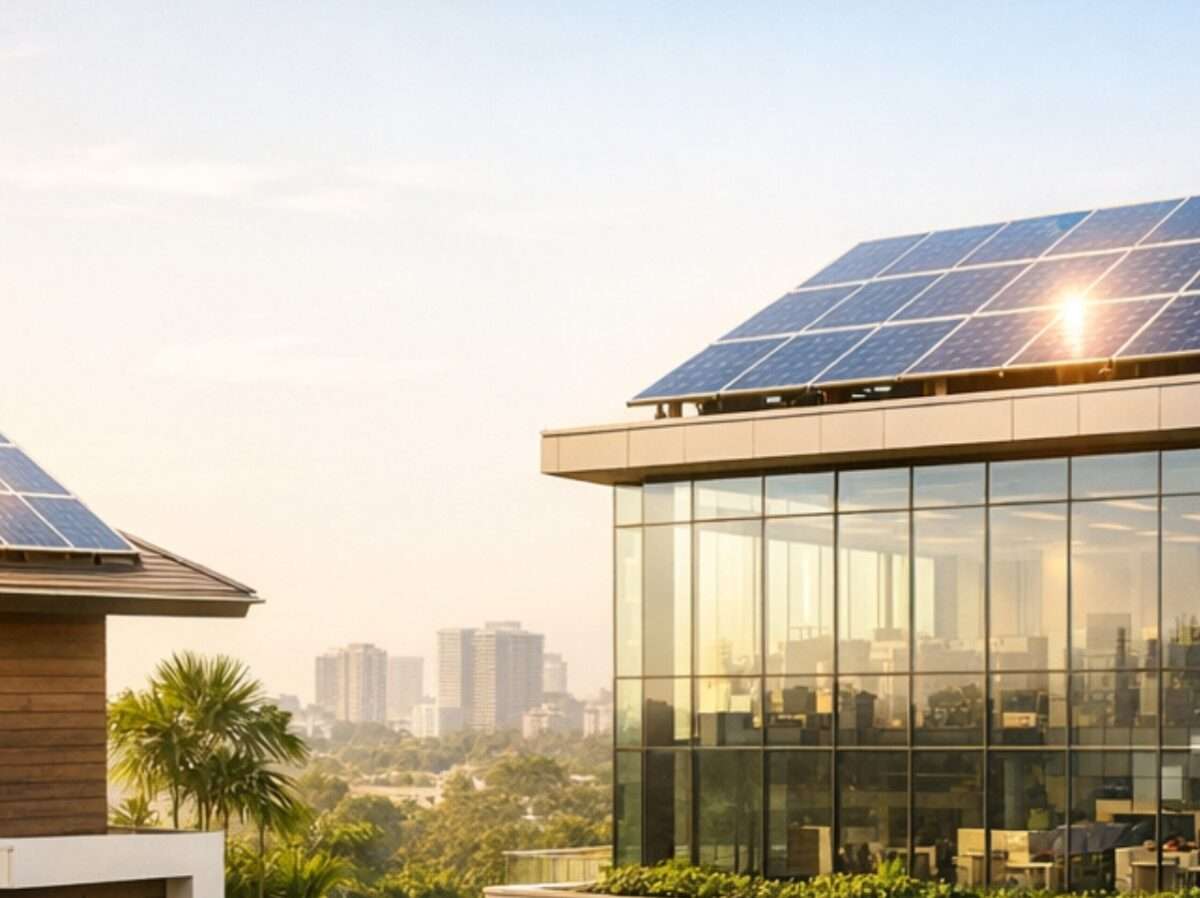
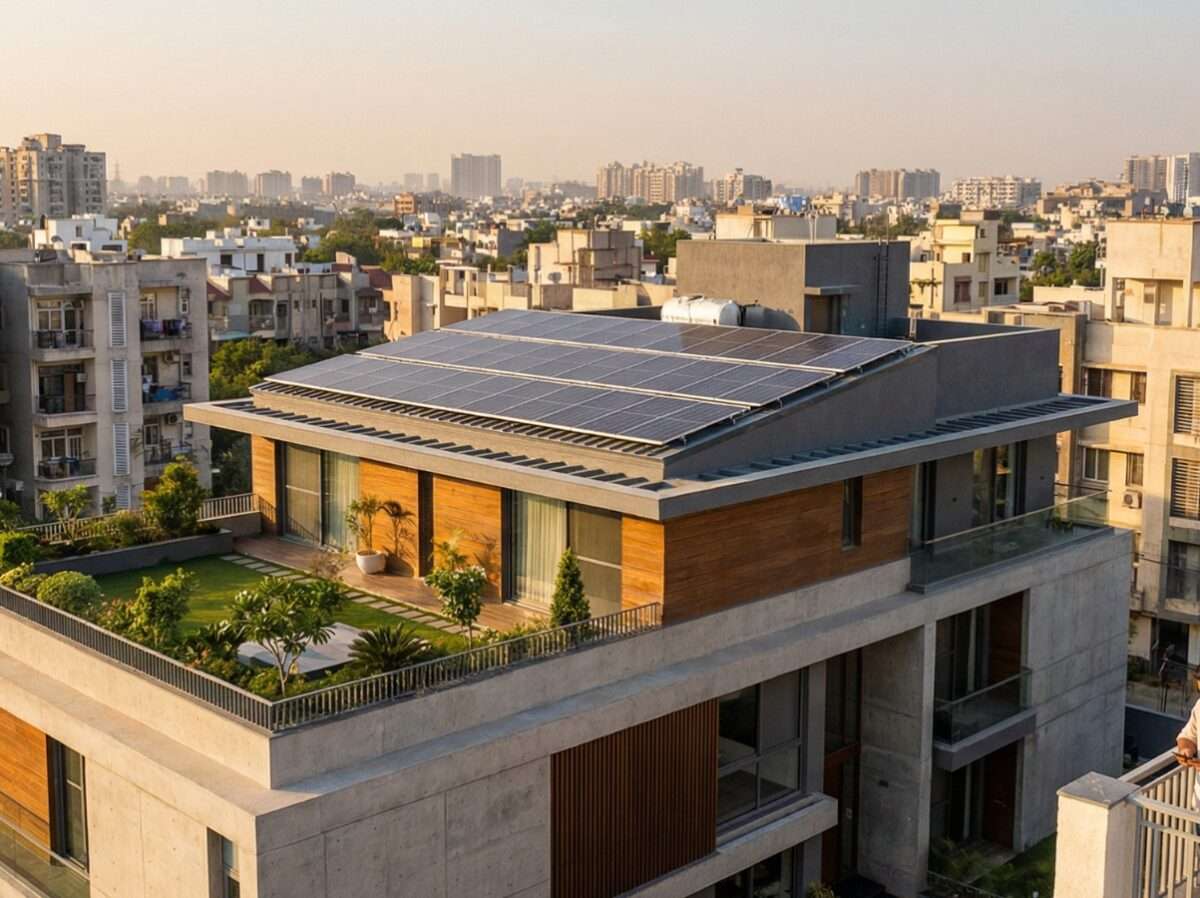
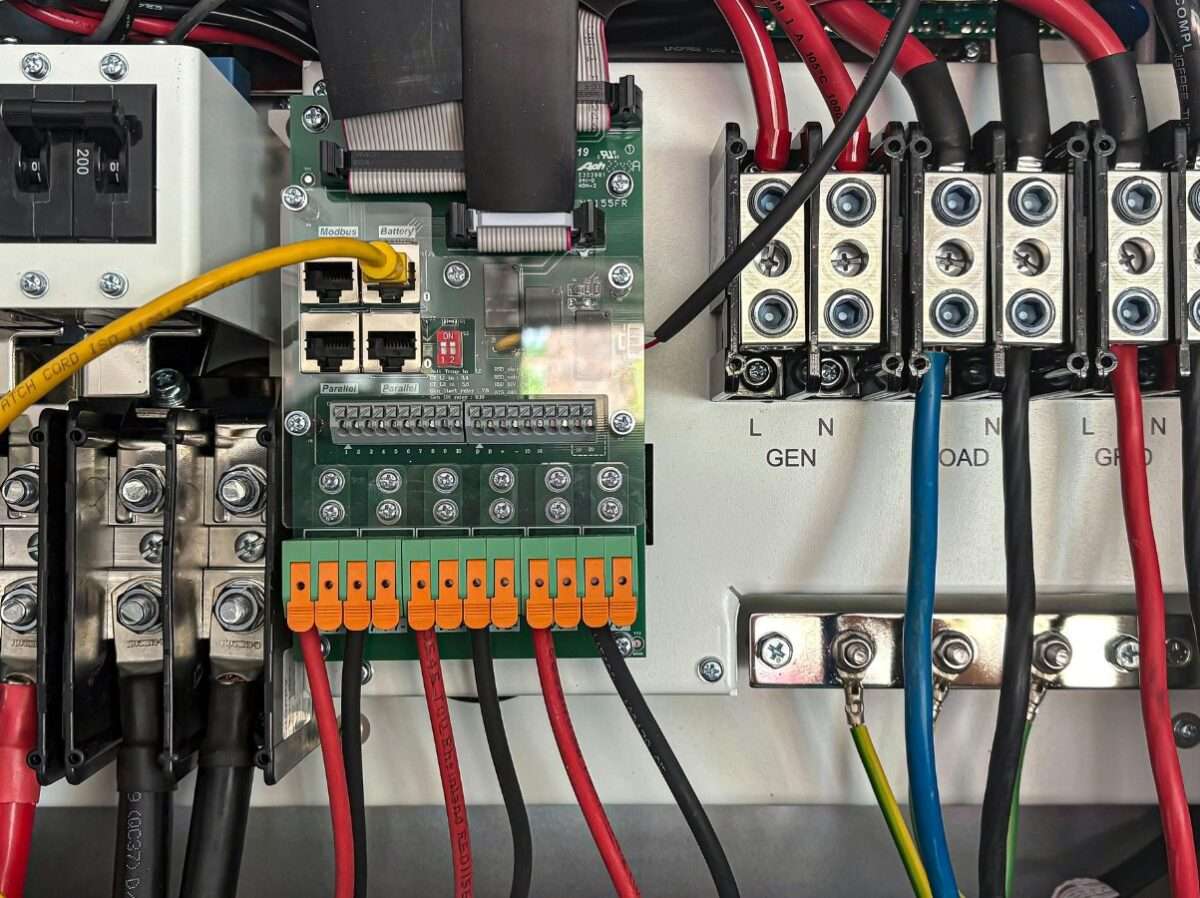
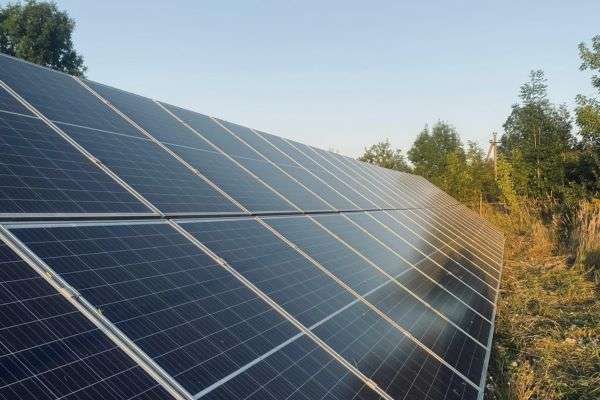
The solar panels are also known as photovoltaic (PV) systems, which absorb sunlight and then convert it to electricity that is used to run your business or home. Such panels are normally mounted on the roofs or on a place where there is a lot of sunlight like the garden or the yard of your residence. The main parts of the solar panel system are a solar panel system, inverter (converting the DC power that is harnessed into AC power), and the required wiring.
When set up, solar panels start producing electricity using sunbeams and this electricity can be used to power appliances, lighting and HVAC in your home. The energy that is not used up can be diverted to the grid (that is provided by your location) which may lead to credit or monetary compensation in net metering programs.
The Way Solar Panels can Save you on Energy Bills.
Reduced Electricity Costs
The best advantage of putting solar panels is that your energy bills will be greatly reduced at the end of the month. Conventional electricity prices are prone to changing with the prices tending to increase occasionally because of other factors such as the market demand, the fuel prices, and the expenses incurred in the infrastructure of your energy. Using solar panels you produce your own power and this will make you less dependent on the grid.
Using the power of the sun, you will be able to save a lot of money on utilities. The amount of electricity that the average homeowner will save will be 50-70, which is determined by the place, power consumption, and the size of the solar panel system.
Energy Independence
The possibility to produce energy on your own is one of the most appealing features of the installation of solar panels. You can generate your own power, and will no longer be reliant on outside sources, protecting yourself against the high energy prices and possible disturbances in service. This power independence is in particular useful when the power goes off or in times of emergency.
Also, you can install a battery storage system so that you can store surplus energy produced during the day to be used at night or when a high demand is required. This gives the maximum usage of solar energy when required.
Increased Property Value
The growing need to purchase energy efficient houses is capturing the attention of the homebuyers and a solar panel installation is a good addition to the real estate market today. It has been established that houses equipped with solar systems sell at high price and faster than the ones lacking them.
Not only will you save money on energy bills because you invested in solar panels, but also it will be long-term worth to your property. This may prove very beneficial when you are expecting to sell your house in future.
Government Incentive and Tax credit.
Governments across the globe provide a number of incentives, rebates, and tax breaks to homeowners that install solar panels to promote the use of renewable sources of energy. The Federal Solar Tax Credit (also called Investment Tax Credit, or ITC) is a tax credit allowance to homeowners in the United States, which gives solar system owners a deduction on a percentage of their system cost on their federal income tax.
Various incentives are frequently provided by the state and local governments like rebates or low-interest loans to enable solar panel installation to be cheaper. These incentives will help a great deal to cut down on the initial cost of installing a solar system and increase the return on investment.
Long-Term Savings and Payback Period.
Although the actual initial cost of placing solar panels can be high, the long run savings can be very high. The solar panel system has an average payback period of 5-10 years based on your location, power consumption and domestic electricity rates. Once it has been paid off, you will have years of virtual free electricity.
Moreover, the life of solar panels is long normally about 25 to 30 years and above. This implies that once your system has paid the energy bills, you can still save on the energy payments over the decades to come.
Sustainability and Environmental Impact.
Solar energy is a renewable energy that is clean and does not produce harmful emissions and pollutants. This will save you on your carbon footprint by switching to solar and will also help in the worldwide fight on climate change. Solar panels provide a means for homeowners to contribute to the environment to a very positive impact, those who are passionate about sustainability.
In addition, the solar sector is in the progressive phase and newer technology has resulted in solar panels being more efficient and lower in cost. With the advancement in technology, the advantages of the presence of solar panels will only be enhanced, which is why it will become even more intelligent to invest in solar panels among the homeowners.
Recant Posts

Emergency Plumbing Issues That Need Immediate Attention
March 2, 2026-
Things to Check Before Hiring a Plumbing Service Company
March 2, 2026 -
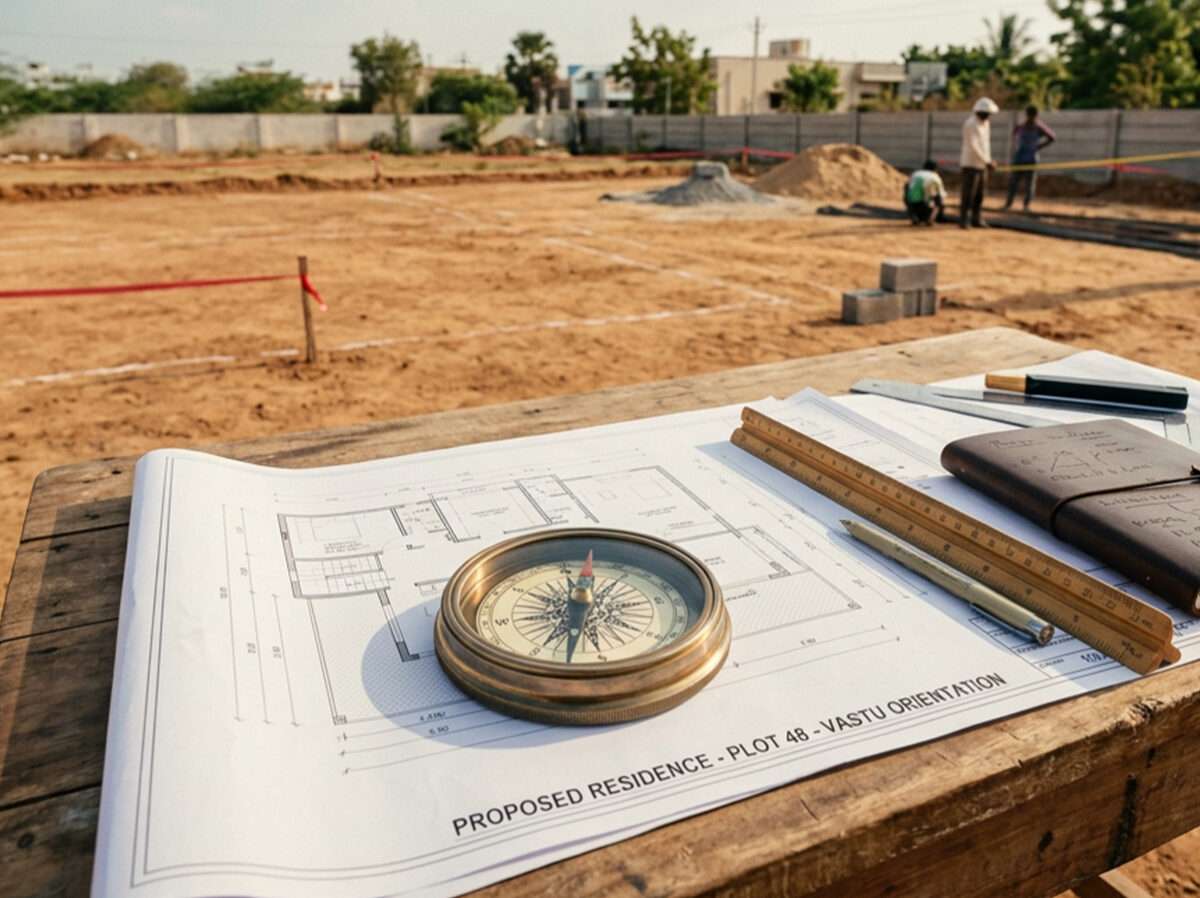
How Vastu Can Improve Business Growth and Workplace Productivity
February 27, 2026 -
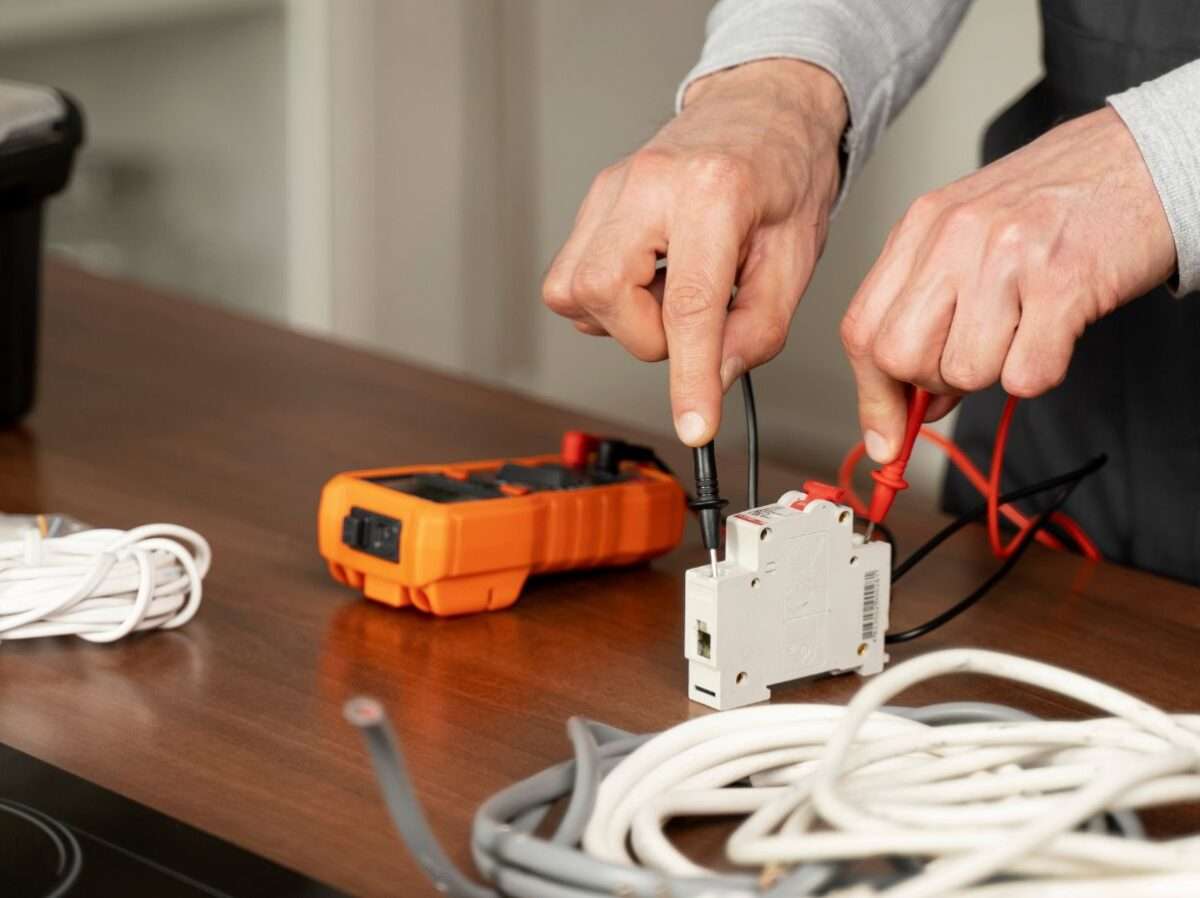
DIY Electrical Safety Tips Every Homeowner Should Know
February 26, 2026 -
Interior Design Trends for 2026: Making Your Space Functional & Stylish
February 25, 2026 -
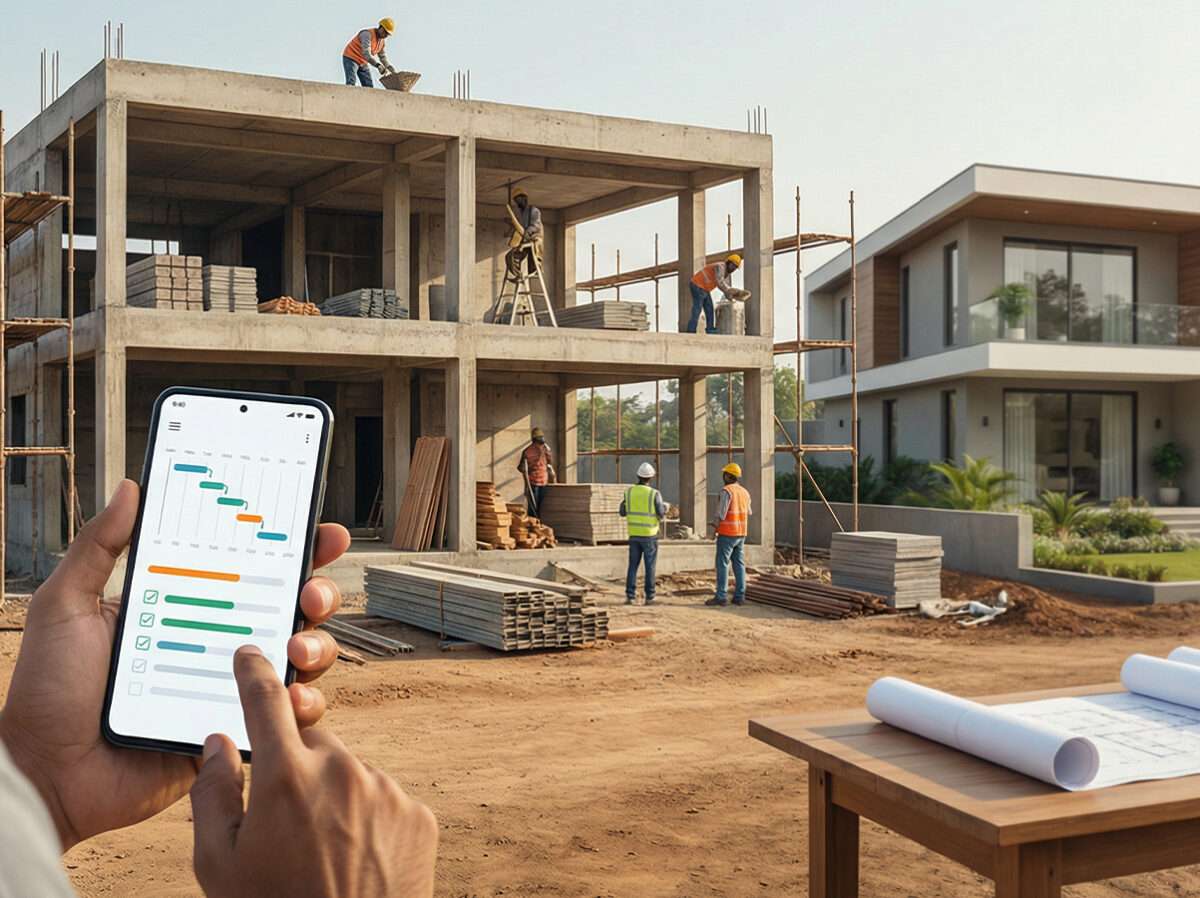
Step-by-Step Guide to Building Your Dream Home with Contec
February 24, 2026 -
Top 10 Architectural Trends in 2026 for Modern Indian Homes
February 24, 2026 -
Why Vastu Matters in Modern Home Construction—and How Contec Helps
February 23, 2026






The Things to be considered before installing solar panels.
Although solar panels do present a multitude of advantages, there are several factors that should be taken into account before investing in it:
Location: Solar panels cannot be optimized in areas that lack much sunlight. The economic gains can be significantly decreased in case your place of residence has a high number of clouds or the sun does not shine regularly.
Roof: Your roof should be in a good state and be appropriate to install the solar panels. In case of a broken roof or a roof that needs replacement, then it would be better to deal with those problems and then install solar panels.
Initial Costs: This does not mean that you will save money in the long run using solar panels but there is the initial cost involved in buying and installing the system. The initial expense is however, becoming more affordable to a number of homeowners, with incentives and financing opportunities available.
Conclusion: Should Solar Panels be Installed?
In conclusion, putting solar panels in homes has many advantages to the benefit of the homeowner who will save on electricity bills. The low electricity fees, energy self-sufficiency, possible rise in property value, government subsidies, and environmental influence make installing the solar panels a sound investment. The cost might be high in the short run but it saves a lot in the long run and has a positive influence on your finances as well as the environment hence is worth it to many.