
Role of Vastu-Based Planning in Contemporary Architecture Design
The integration of the primordial knowledge and the contemporary construction breakthroughs has been a pattern that is gaining momentum in the design sector in recent years. Depending on the ancient philosophical concepts that have remained an influential force in modern-day architecture, Vastu Shastra is one of the most powerful systems that govern and balance the spatial energy, physical environment and human experience. Architects, designers and house owners are now realizing the advantages of planning based on Vastu not as a strict guideline, but as a mindful methodology that would promote a good life, good business, and aesthetic harmony.
We appreciate the need of architecture at Contec.app, but not only form and functionality. We aim to assist customers in incorporating effective Vastu principles to modern designs so that not only can one have pleasing space, but also harmonious, meaningful, and life-affirming space.
What is Vastu Shastra and Why It is significant Nowadays?
Vastu Shastra is one of the traditional Indian architecture science which is based on ancient literature and which focuses on human-environment interaction. Vastu provides information on the orientation and positioning of the spaces and the energy flow (prana) to ensure a happy working and living environment.
Although contemporary architecture is aimed at sustainability, innovation and aesthetics, Vastu introduces another dimension of energy balance and psychological comfort. This renders Vastu based planning a perfect complement of modern architectural practice.
Transitions between the Ancient and the Modern.
Modern architecture appreciates flexibility, creativity and contextual designed solutions. On the other hand, it might appear that incorporating Vastu with modern architecture is not an easy task at all- but it could not be any different.
Rather than strictly enforcing some of the ancient requirements, nowadays the architects consider Vastu as a system of principles that can be varied, interpreted and combined with the contemporary design elements. For example:
- Best way to orientate and natural light.
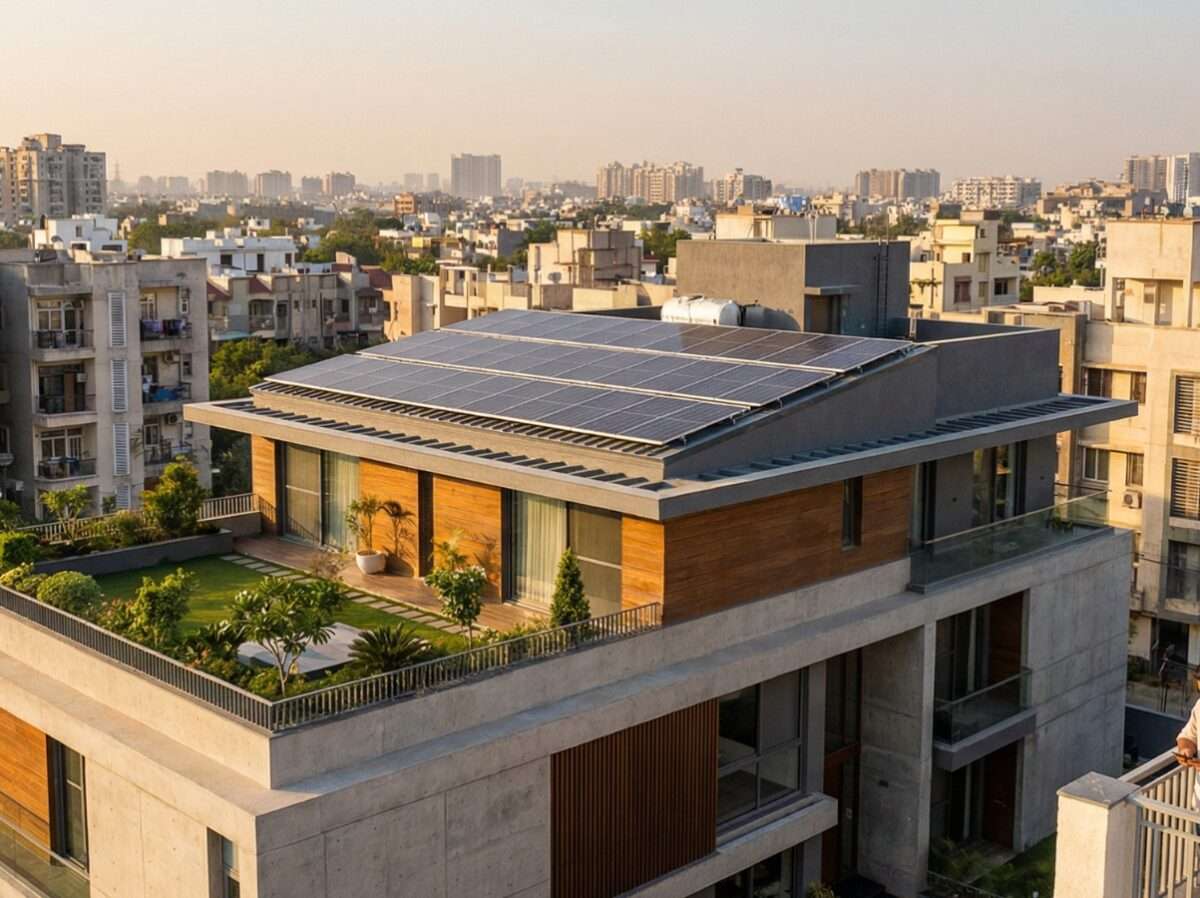
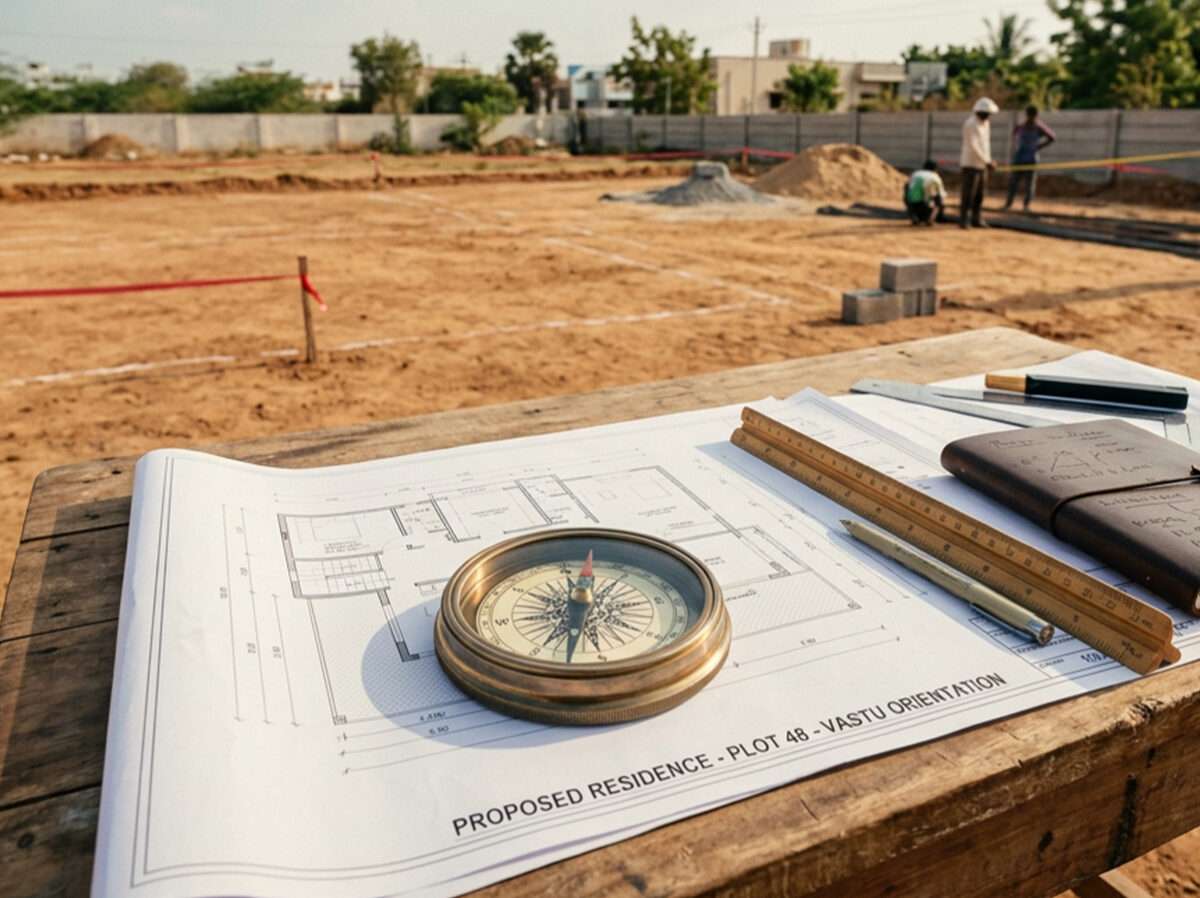
The orientation, in particular, the direction in which the rooms and openings are turned is one of the fundamental Vastu principles. Natural systems of light and ventilation are also highly considered in modern design. The integration of the directional advisory of Vastu and modern practices such as daylight analysis and passive solar architecture can make an architect comfortable, conserve energy, and provide light and bright interiors.
- Functional Zoning and Movement of Energy.
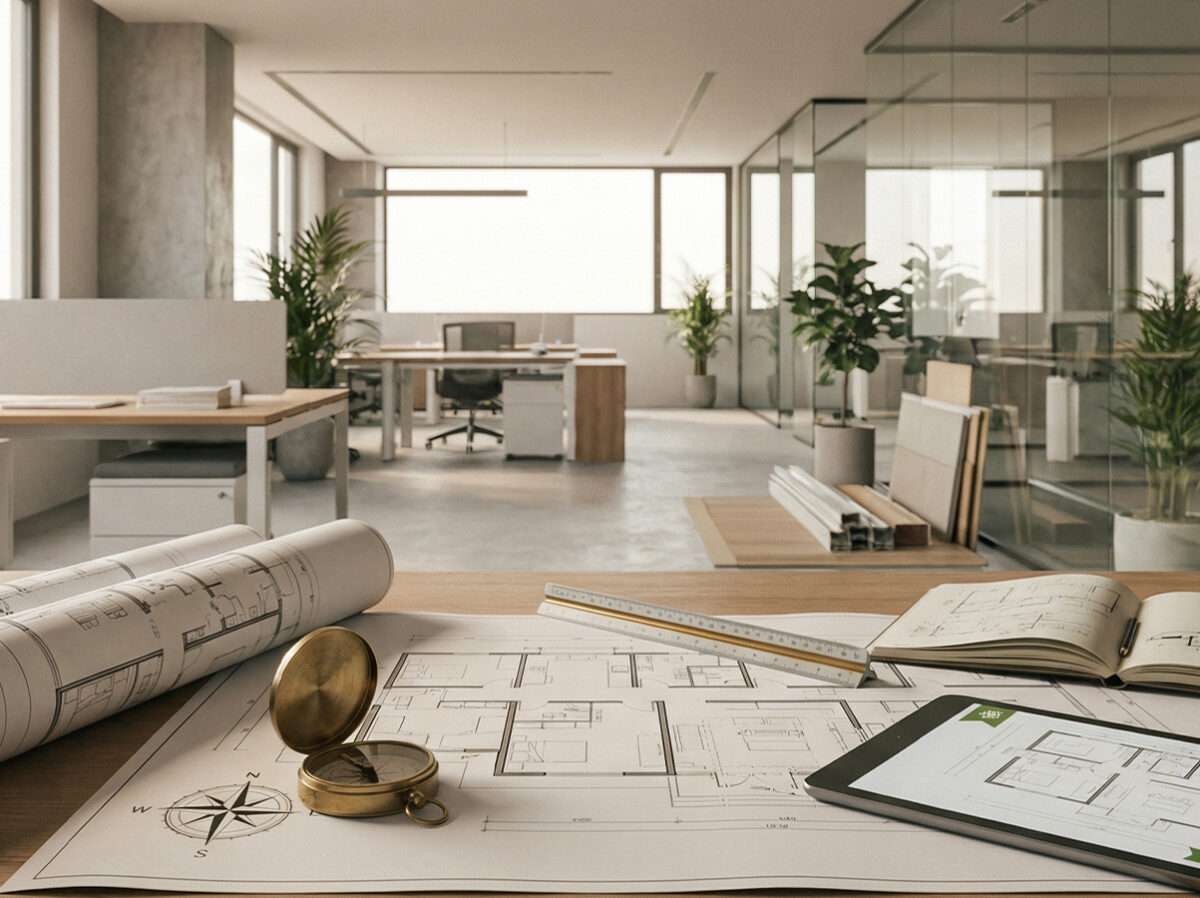
Modern floor plans are prone to open plans and versatile areas. This is supported by vastu-based planning which advises to have an spatial zoning which is naturally oriented to the different energy flows. As such, active rooms such as the kitchen and the living room are located in areas where energy is high whereas other rooms such as a study room and bedrooms are located in directions that are closer to the calm areas.
- Balance of Elements
The spaces in Vastu are classified on the basis of the five elements, earth, water, fire, air and space. The contemporary architecture also focuses on the choice of the materials, responsiveness to the environment, and sensory perception. A Vastu design has the sense of placing water bodies, plants and constructed structures in the best way to create harmony without compromising the modern and refined look.
Recant Posts

Emergency Plumbing Issues That Need Immediate Attention
March 2, 2026-
Things to Check Before Hiring a Plumbing Service Company
March 2, 2026 -
How Vastu Can Improve Business Growth and Workplace Productivity
February 27, 2026 -
DIY Electrical Safety Tips Every Homeowner Should Know
February 26, 2026
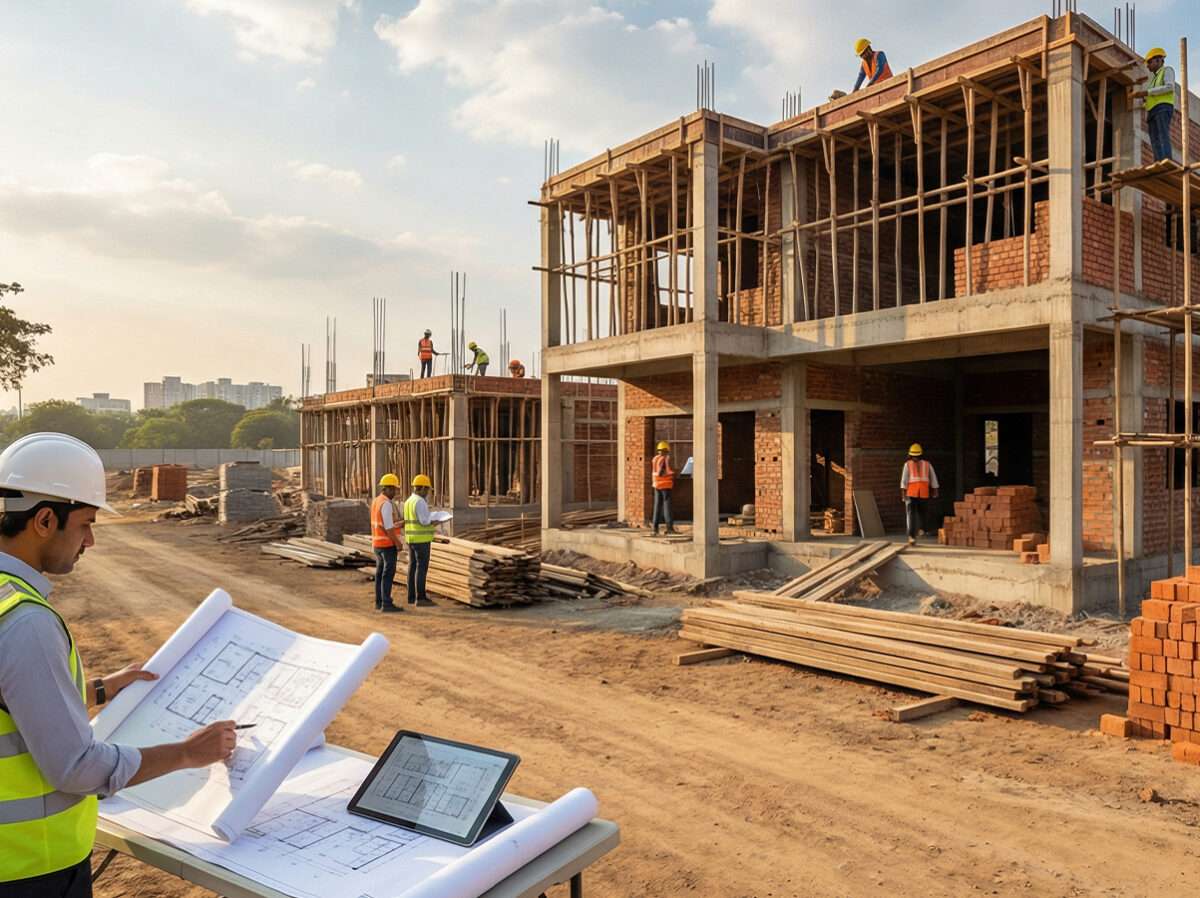
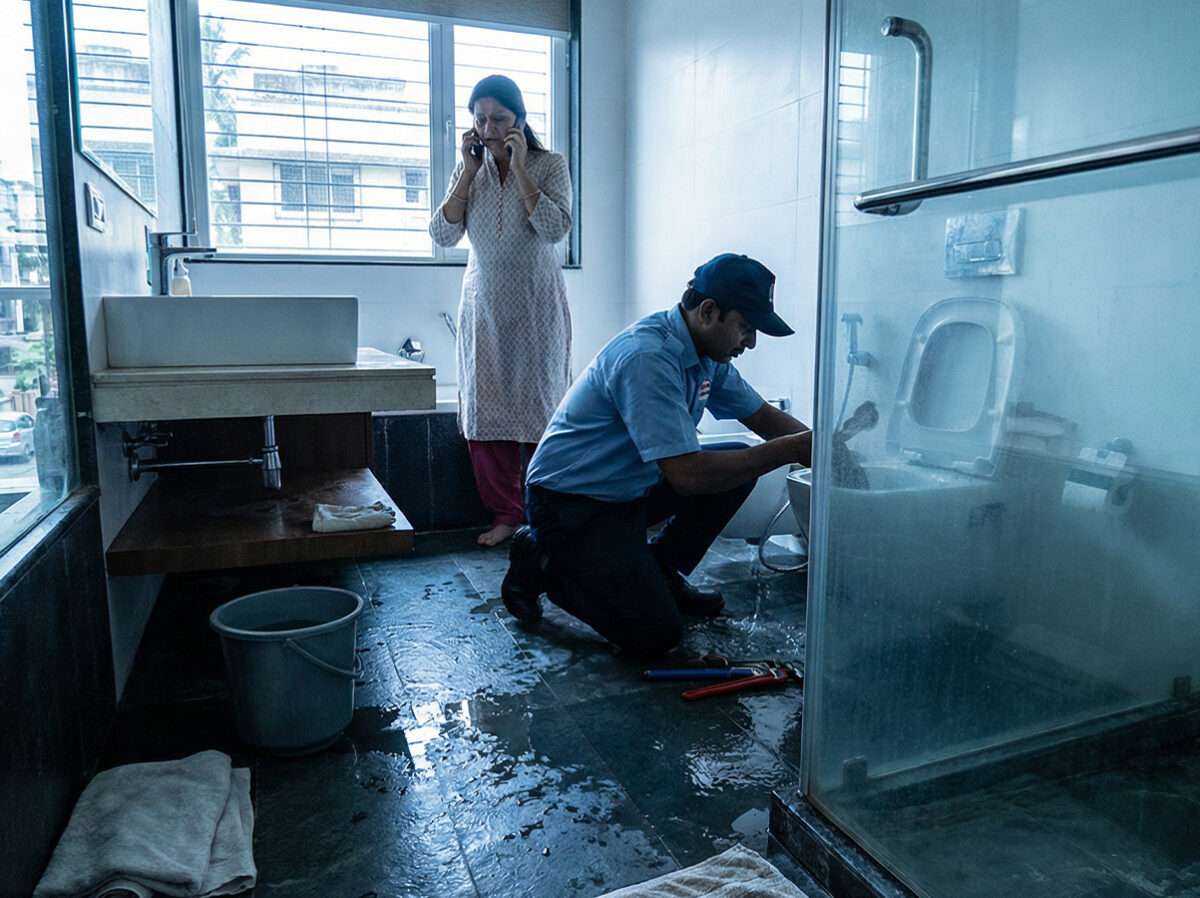
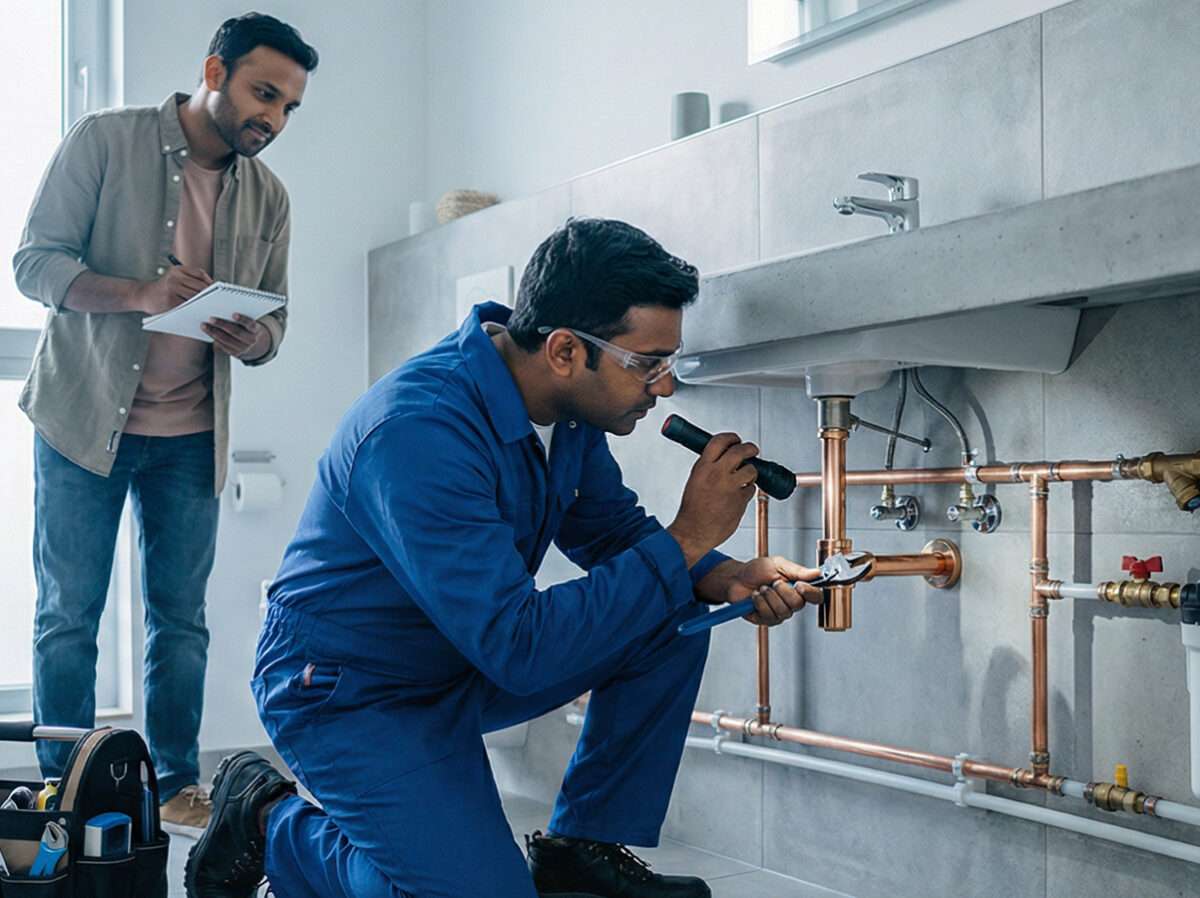
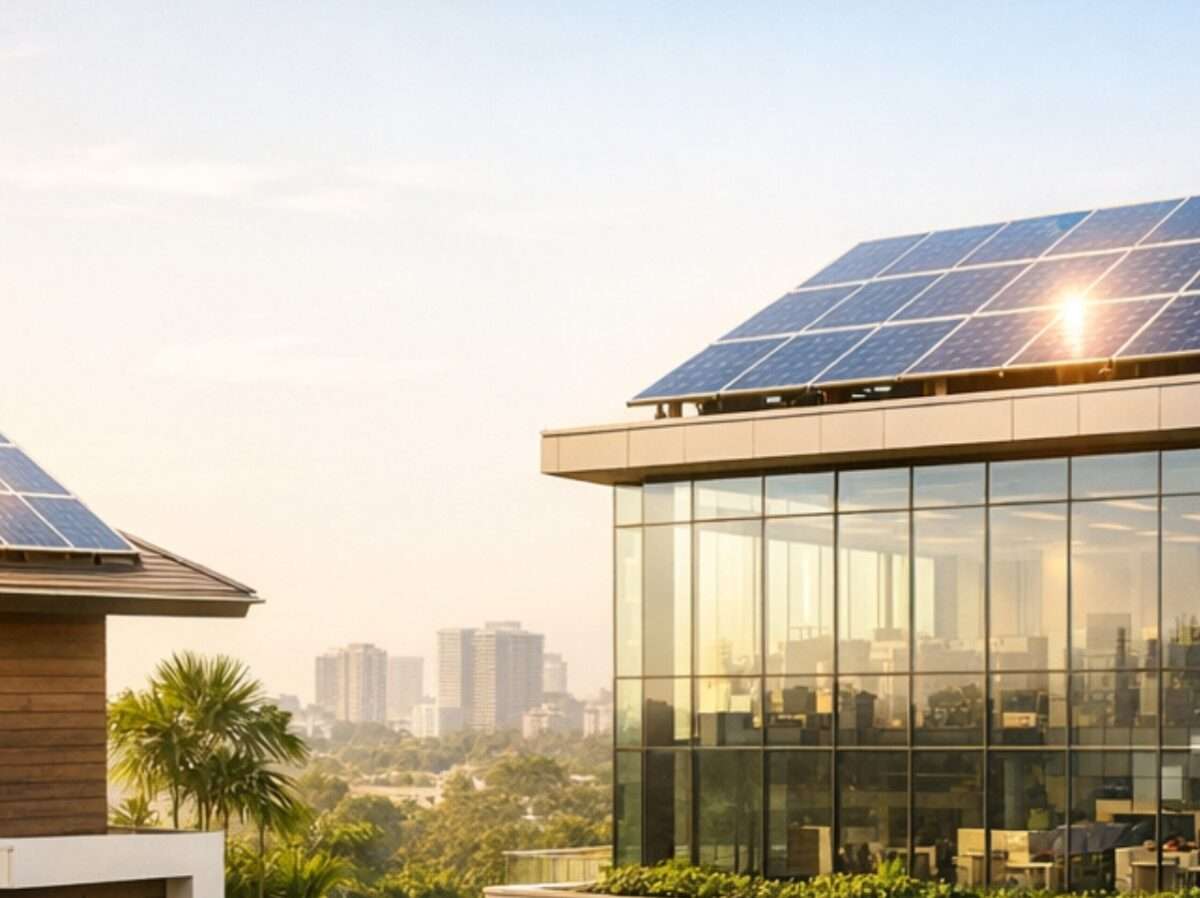

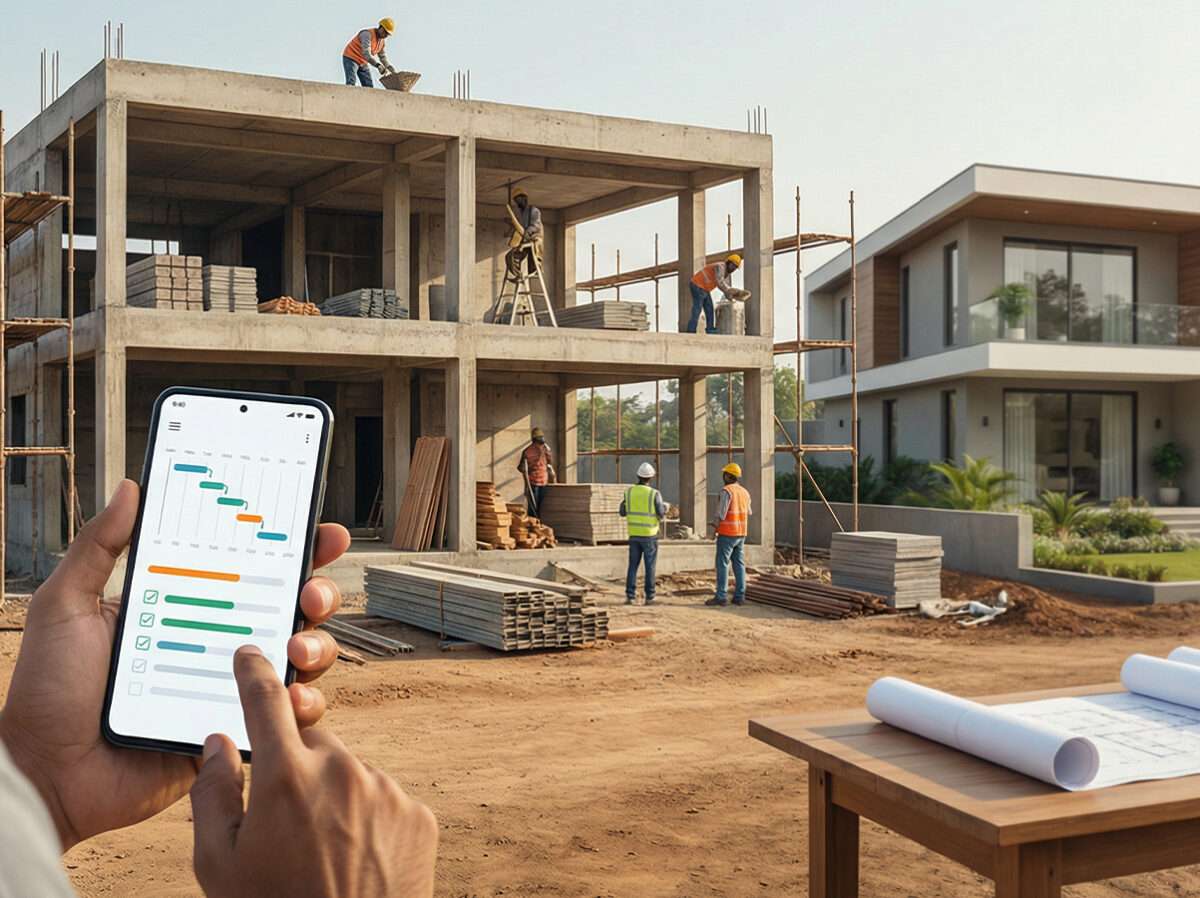
Vastu-Based Planning has many advantages in architecture.
When used intelligently, the Vastu principles have a number of advantages to the modern buildings:
Increased Wellbeing
Working and residing in the environment that is designed using Vastu in mind can make the mind healthier, less stressful, and build positive relations. The spatial and energy interaction is strategic in order to make occupants feel grounded and balanced.
Enhanced Productivity
Offices that are futuristic in design, incorporating the ideas of Vastu promote good circulation, distribution of light, and spatial ease both of which enhance focus and productivity.
Sustainable and User-Centric Design.
The orientation of Vastu, climate-sensitive design, and site integration are in line with sustainable design. This supplements current objectives such as energy conservation and environmental sustainability.
Greater Market Appeal
The buildings that combine a modernist touch and classic balance are gaining popularity among house buyers who attach importance to their comfort, wellbeing, and cultural diversity. This renders Vastu compatible building one of the strategic benefits in real estate.
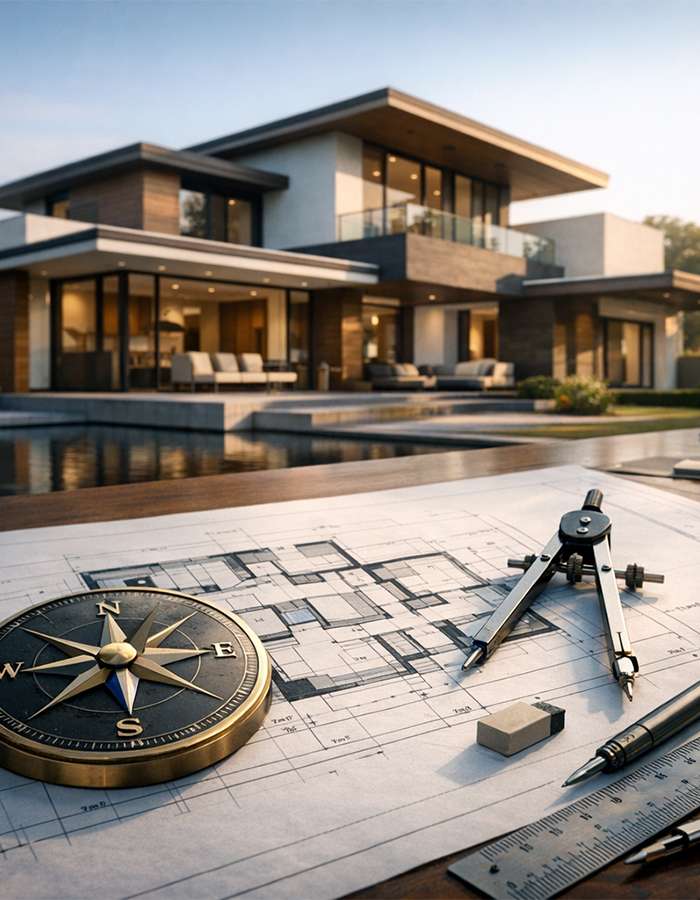
The way Contec.app can make Vastu be a part of the modern design.
At Contec.app, we offer a package of building and interior design services to meet the needs of the modern clients. We mix technology, culture and creativity to provide spaces that are quite right and do much more than work well.
- Professional Advising and Strategy.
We have a highly qualified staff to provide you with a personalized consultation to get to learn about your objectives, location of site, and design ambitions. It can be a residential or a commercial area, but in any case, we combine Vastu knowledge with the current needs and create rational and sensible plans.
- Smart Design Solutions
The Contec.app is an application using sophisticated planning technologies and the experience of a conventional design to create spaces that optimize the use of light, air, and energy flows. Starting with conceptual drawings and ending with detailed schemes, all the design choices are guided by aesthetic and spatial harmony.
- Realistic Visualization
It is very important to comprehend the feel of a space even before being built. Contec.app allows designers to present designs using models and walkthroughs in 3D and can be configured with the state of the art visualization. Our visualizations bring to light how the layouts balancing with Vastu will appear in reality so that you make sound choices.
- Customized Interior Design
It is inside spaces that occupants can spend their most significant time. Our interior design solutions are in unison with the color palettes, furniture arrangement, and choice of materials and we keep the Vastu principles in perspective so that every element adds up to comfort and balance.
SEO Advantages of Vastu Based Architecture Blogs.
Writing about such subjects as Vastu and architecture does not only provide education to your audience but also helps in improving the search engine of your website. As the number of searches on the topic of holistic design, wellness in architecture, and the traditional design philosophies grows, regular Vastu updates can make sites such as Contec.app rise in the search results:
- Researchers on balanced design, homeowners.
- Designers and architects in search of new ways.
- Buyers of real-estates who are inclined to spiritual harmony.
- Cultural relevance of modern design that can be discussed by content readers.
Quality content, which entails the use of terms that have been searched like Vastu planning, modern architecture design, Vastu architecture benefits, and Contec.app services will make your blog valuable to the readers and the search engine.
Final Thoughts
The ancient wisdom is still applicable in a world that glorifies innovation and technology. The planning on the basis of Vasta is a deep method of enriching modern architecture with harmony, balance, and wellbeing. Nevertheless, it is not about adhering to rules but thinking and smartly applying them.
Through the skillful direction of Contec.app, you will be able to make spaces aesthetically impressive, structurally dynamic and blissful to inhabit or work in. You can adopt Vastu into a modern day design context and make your space meaningful regardless of whether you are doing a new construction, a renovation, or a commercial project.
Feeling good on the ground with experience in design. Explore Contec.app today!