
Residential vs. Commercial Construction in Uttar Pradesh: Key Differences
The Uttar Pradesh (UP) development on construction is changing provision of a colossal face. As the cities such as Noida, Lucknow, Kanpur and Varanasi are growing at a very high rate, the state is also experiencing the simultaneous increase in the housing and business infrastructure. Although both industries not only contribute to the state GDP and most of the buildings, the core concepts of residential and commercial building are completely different.
These differences are very important to understand by developers, investors and contractors. Whether it is legal compliance and building codes or the choice of materials and project schedules, every industry will require a specialized skill.
- Purpose and Design Philosophy of the project.
The major distinction between residential and commercial projects is the purpose of structure.
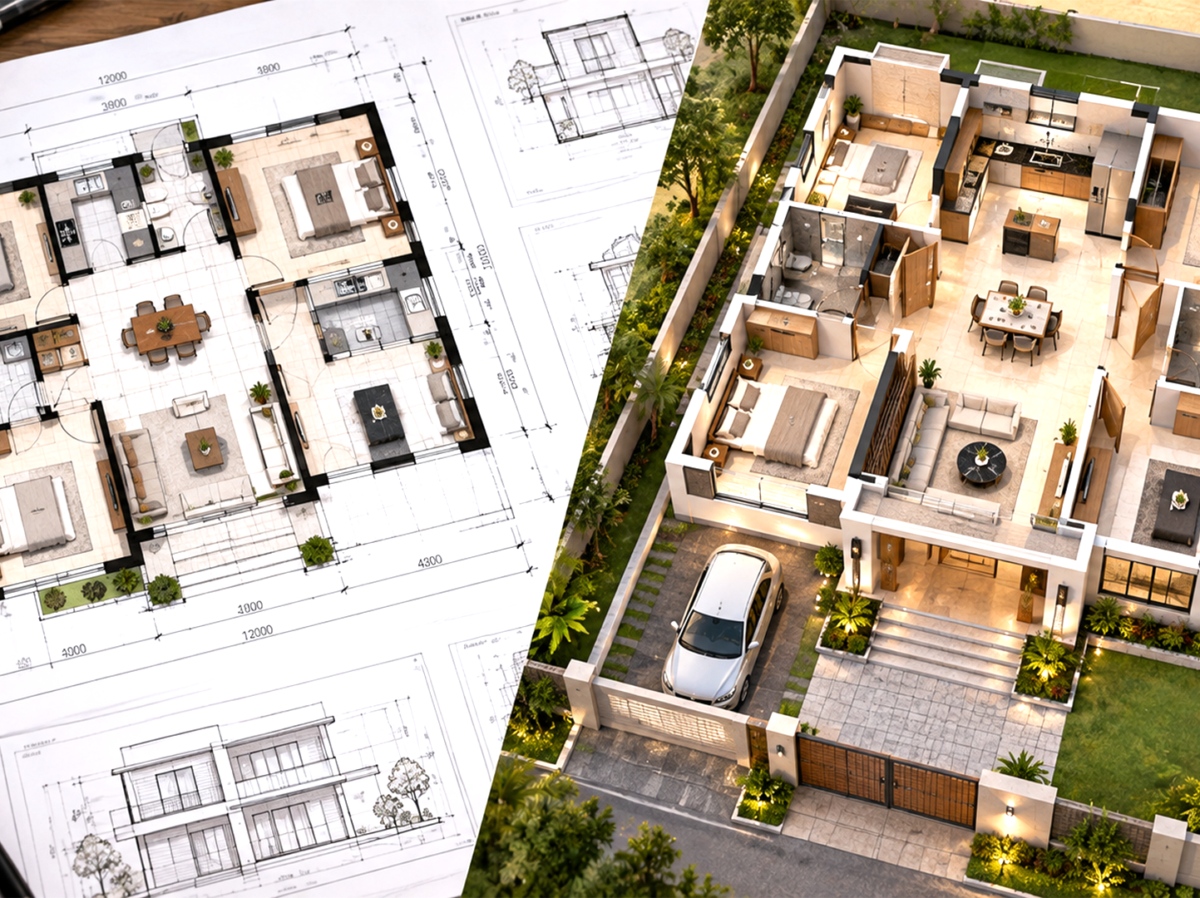
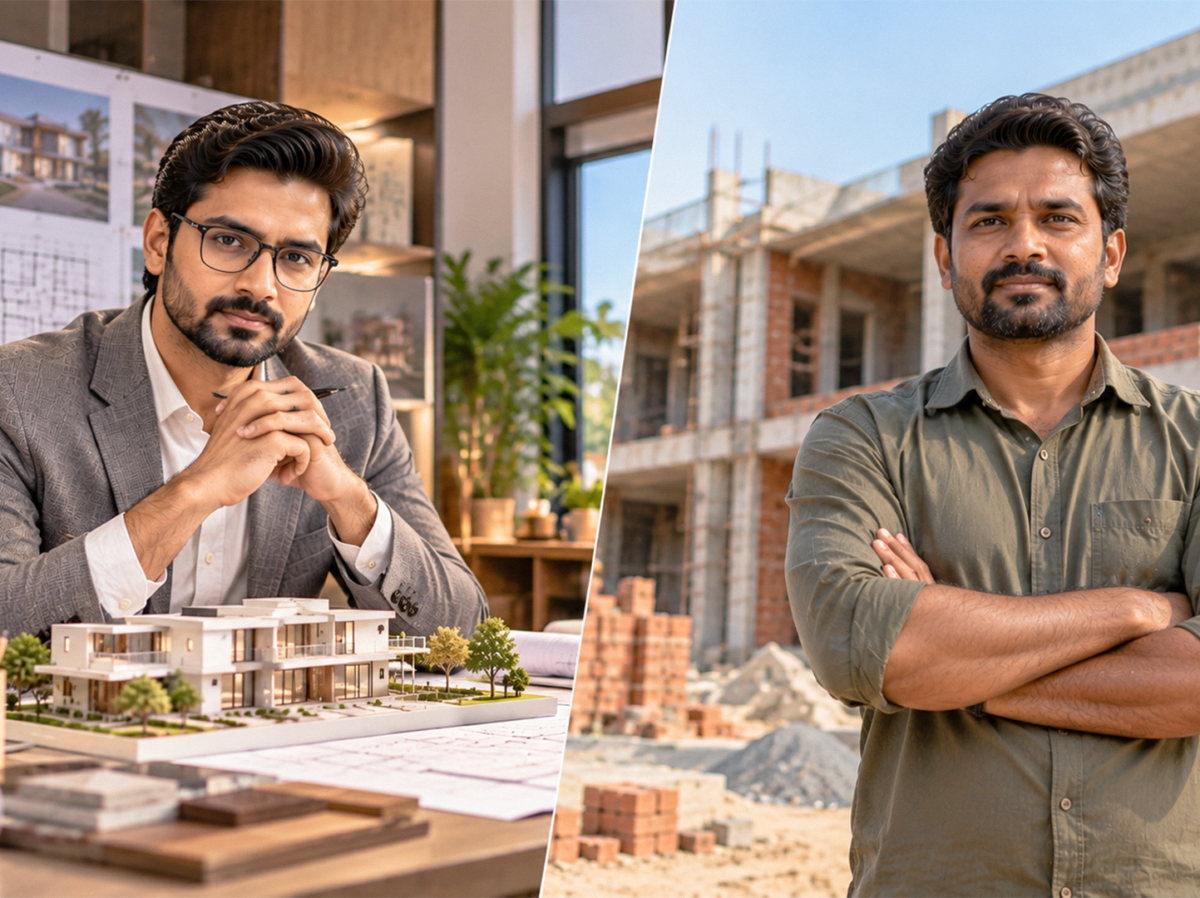
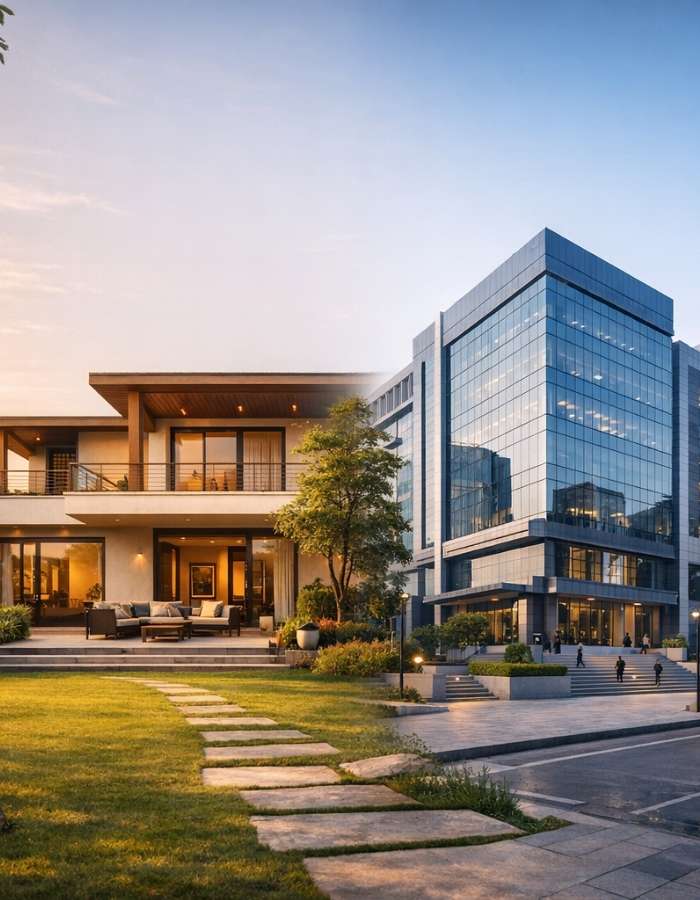
Residential Construction: The residential construction projects are meant to house individuals or families. It is about comfort, privacy and individual aesthetics. Independent villas and townships, high-rise apartments are residential projects in UP. The architectural design is based on livability which concerns natural light, ventilation and practical domestic space such as the kitchen and bedroom.
Commercial Construction: This is constructed as a business place-offices, shopping malls, warehouses or industrial centers. The design philosophy is based on scalability, foot traffic, and professional utility. Commercial buildings have to house multitudes of individuals and can be open, with a potential to be redesigned to meet the requirements of the tenant.
- Construction Rules and Housing Standards.
The Building Bye-laws provided by the development authorities in Uttar Pradesh (i.e. the Noida Authority or the LDA) are highly differentiated according to the category of the construction.
Residential: The rules commonly pay attention to Floor Area Ratio (FAR), distances between the roads, and rainwater collection. The safety requirements are very strict that usually tend to be of smaller occupancy.
Business: These initiatives are subject to very stricter safety requirements. The commercial buildings in UP have to comply with tough requirements of the National Building Code (NBC) in terms of fire safety, emergency exits, lifts, and handicap of buildings since they are the ones that hold the people. When these particular commercial codes are not adhered to then an Occupancy Certificate (OC) may be denied.
- Material and Engineering Requirements.
Although they both employ cement, steel, and bricks, the level and intensity of materials are varied.
The residential constructions usually use conventional brick-and-mortar or RCC (Reinforced Cement Concrete) in which smaller ranges are applicable. House owners put a lot of emphasis on such aesthetic finishes as marble flooring or ornamental woodwork.
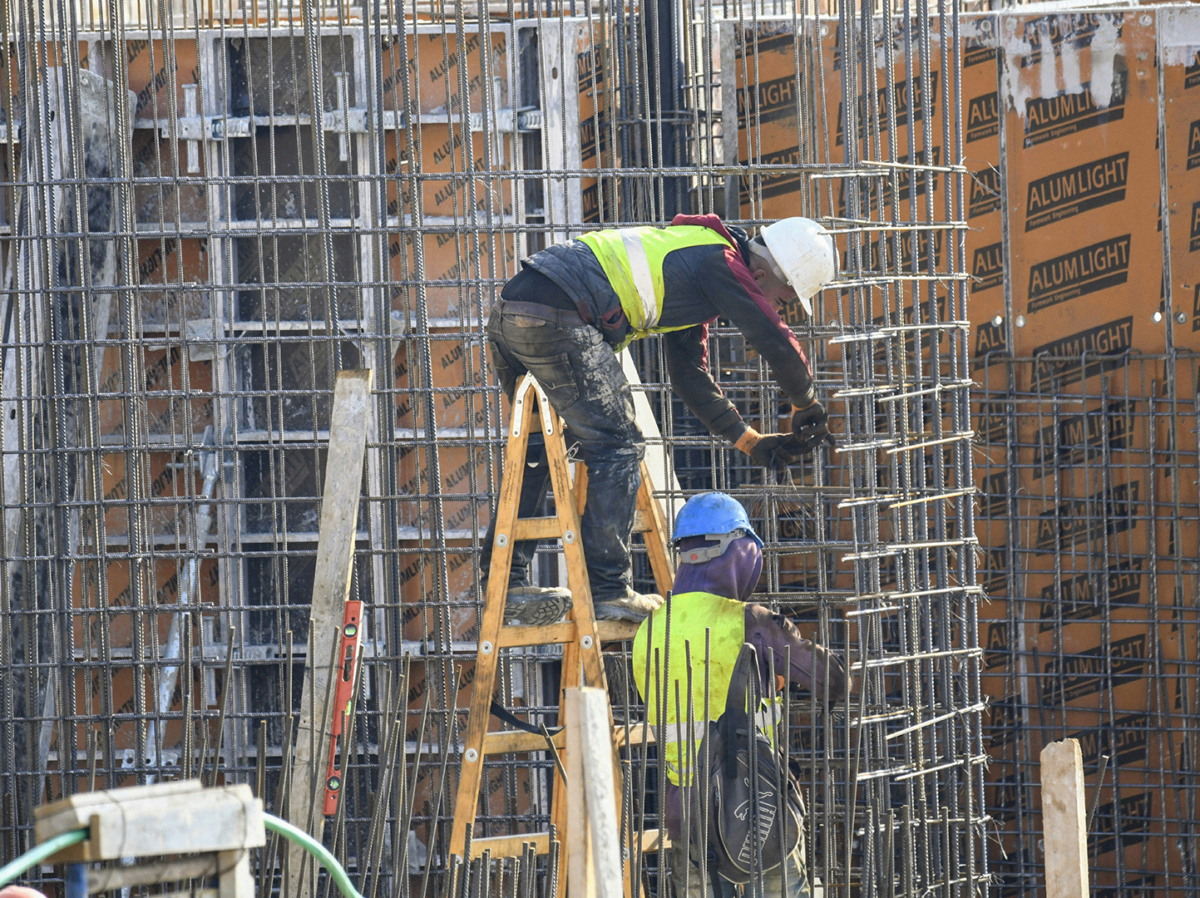
The complex engineering methods like steel frame building or glass curtain walls are commonly used in commercial buildings. These products permit greater open spans and heights. Commercial projects also involve heavy duty HVAC (Heating, Ventilation, and Air Conditioning), complex electrical grids to accommodate data centers and advanced plumbing that is used by large volumes.
- Budgeting and Cost Systems.
The construction project in UP has a strong financial ecosystem that relies on the type of project.
Residential Funding: They are generally financed by means of personal saving or home mortgages. The cost would be typically amortised over a reduced period of time, and the payback would typically be regarded as the capital improvement or renting revenues in the long run.
Commercial Funding: They are projects that are capital intensive. The funding is normally through corporate bodies, developers, or bank consortiums. The financial model is constructed based on Yield- the amount of money that the building is able to bring in per square foot. Since a commercial project is a more risky and larger scale project, the total construction per square foot is higher because this project needs advanced technology and infrastructure.
Recant Posts

Top 10 Interior Design Companies in Gorakhpur – Complete Guide
October 21, 2026-
Top 10 Construction Companies in Gorakhpur: Your Complete Guide
October 20, 2026 -
Why Hire a Professional Interior Design Company in Gorakhpur?
October 19, 2026 -
2D and 3D House Design Services in Gorakhpur: Complete Guide
October 15, 2026 -
Interior Designer in Gorakhpur: Services, Cost and Design Process
October 13, 2026




- Timelines and Management
The commercial projects are often characterized by tight timelines since each day of the building that is not ready to operate is a loss in terms of business income. Therefore, more machinery and bigger working forces tend to be employed in commercial construction so that 24/7 working cycle can be maintained.
Projects involving the residential sector and especially the home care facilities can be more relaxed in terms of time. But mega residential townships in UP are currently falling under RERA (Real Estate Regulatory Authority) which require strict compliance to the delivery dates to safeguard the homebuyers.
The importance of finding the right partner in UP Construction.
The UP construction market is complicated and difficult to navigate without a combination of labor, but it needs a combination of technology and professional control. That is where Contec gives a developers/contractors edge.
Benefits of Using Contec
Delays and budget overruns are the order of the day in the construction industry. Contec handles these grievances by providing a technology-driven project management solution.
Efficient Communication: Be it a commercial mall or a housing complex, Contec ensures that there is a bridge between the head office and the site office. The updates are real-time meaning that the stakeholders are updated at all times.
Cost Control: Contec, with its specialized modules of material management assists in the monitoring of Every bag of cement and every ton of steel consumed on-site. This helps to avoid wastage and theft which are inevitable in the big projects in Uttar Pradesh.
Compliance with Regulations: It is automated by the platform to monitor permits, safety inspections, and labor compliance to make sure that your project is operating on the right side of the law.
Services Offered by Contec
The complete range of services which Contec app offers to the contemporary construction professional is:
Software Project Management: An all-in-one centralized dashboard that would allow scheduling schedules, budgets, and milestones of both residential and commercial divisions.
Resource Planning: It is used to streamline the utilization of both labor and equipment so that the commercial deadlines can be met without excessive expenses.
Quality Assurance: Digital checklists and inspection modules, that guarantee the structural integrity of residential buildings, are of the highest safety standards.
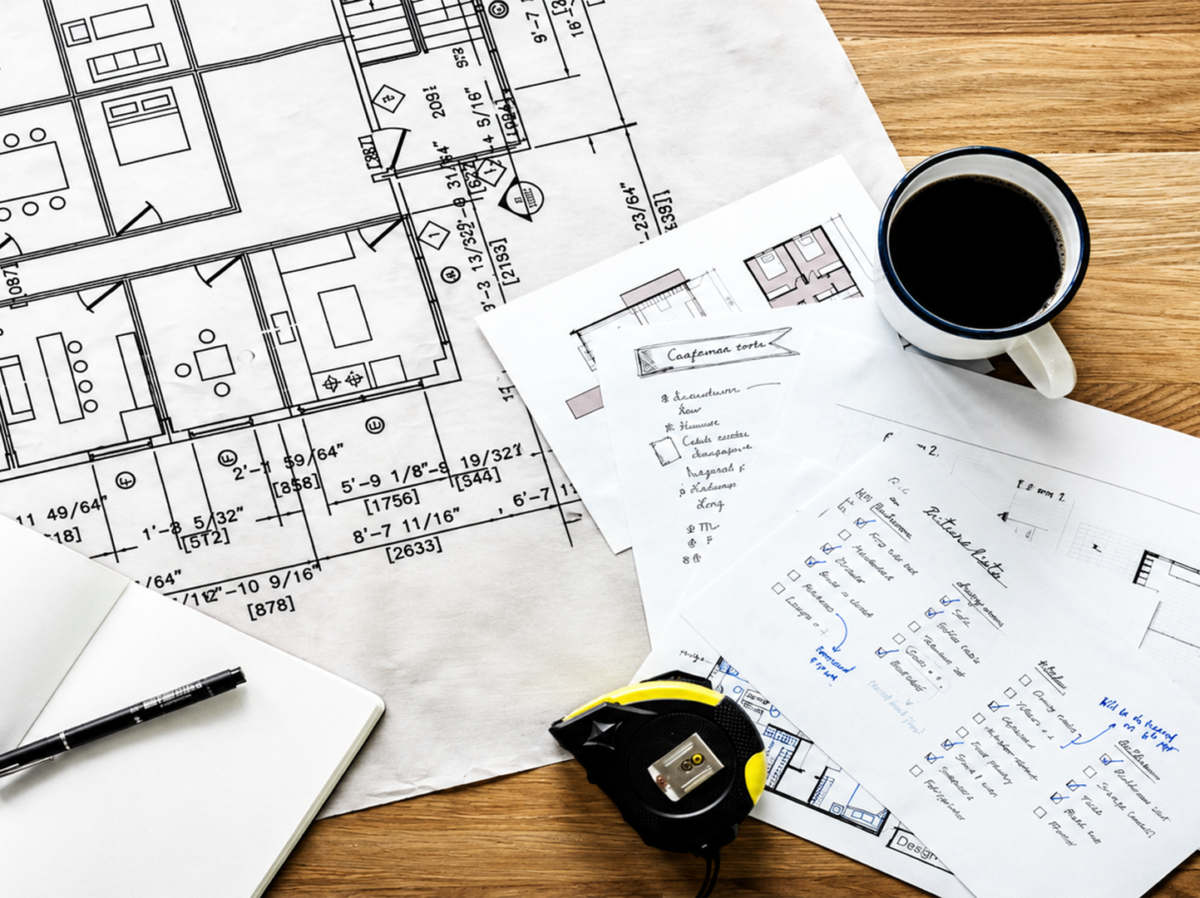
Documentation Management: Blueprints, contracts and government approvals are stored in a safe place, which can be accessed at any time, whether on the move or at the office.
Conclusion
The residential versus commercial construction decision in Uttar pradesh is a weighing exercise where various risks, regulations and rewards are considered. Residential projects provide the fundamental human desire of shelter and community, whereas, commercial projects power the economic machine of the state.
The adoption of technology is no longer a choice regardless of the nature of the project. Technologies such as Contec app are transforming the way construction is carried out in UP and the industry is leaving behind the lack of organization in manual tracking to the age of accuracy, transparency and efficiency. Knowing these major differences, and utilizing the appropriate tools, developers can make sure that their projects do not only get completed, but they too become the milestones of excellence in the current changing environment of Uttar Pradesh.