
DIY Electrical Safety Tips Every Homeowner Should Know
The foundation of every home today is electrical systems powered by everything, such as lighting and appliances, to security and entertainment. Even though most homeowners like engaging themselves in minor home-based projects, electrical activities are the category where safety must be considered first. Even small errors may result in severe injuries, fires, or expensive damages. The key concepts of DIY electrical safety knowledge may help you to keep the family safe, ensure the property is safe, and you are safe.
This guide includes some of the most practical and easy to understand electrical safety tips, which relate to homeowners, but also points out the fact that professional assistance and intelligent planning can make a difference.
The Dangers of Electricity at Home.
Electricity is intangible, has quick action and is not forgiving. Among the major causes of residential fires and electrical accidents are faulty wiring, overloaded circuits or improper repairs. These risks are largely experienced when conducting DIY repairs in situations where the rules of controlling safety have been neglected or misinterpreted.
Educating the people on simple safety tips and understanding when to summon the professionals, homeowners may minimize risks to a minimum, still having an efficient and reliable electrical system.
- It is always important to switch off power first.
Always ensure that you switch off the power in the main circuit breaker before beginning any electrical job however small. Do not make use of wall switches alone because some wires can still be live. Once all the breakers are switched to the off, a voltage tester would be used to test whether the current is flowing.
This is the only step that can be taken to avoid a majority of the electrical shocks and is the basis of safe DIY electrical work.
- Apply the Right Tools and Equipment.
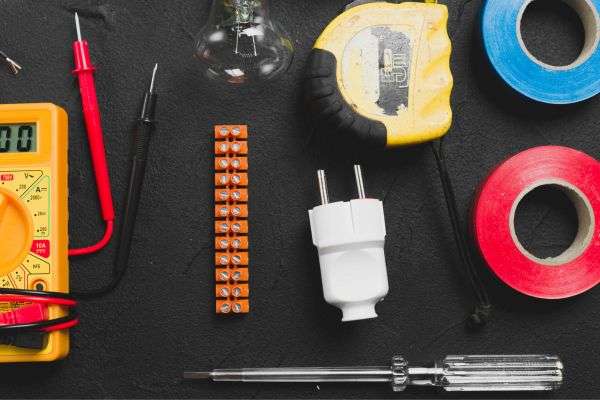
It is not a choice but a necessary use of appropriate electrical instruments. Insulated screwdrivers, voltage testers, wire strippers and safety gloves are created to ensure you do not encounter live electricity by mistake.
Do not use tools that are in bad condition or improvised ones. Good tools enhance accuracy and minimise the possibility of error that might affect safety.
- Never Overload Circuits
Overloading of circuits is one of the most often used problems in most houses, particularly, older houses. Using too many devices in an outlet or extension cord may result in overheating and cause fire.
Recant Posts

Emergency Plumbing Issues That Need Immediate Attention
March 2, 2026-
Things to Check Before Hiring a Plumbing Service Company
March 2, 2026 -
How Vastu Can Improve Business Growth and Workplace Productivity
February 27, 2026





Evenly spread electrical loads across outlets and circuits. When you see repeated instances of breaker trips or flickering lights then it is possible that you require a professional evaluation and not just a DIY solution.
- How to know Your Wiring.
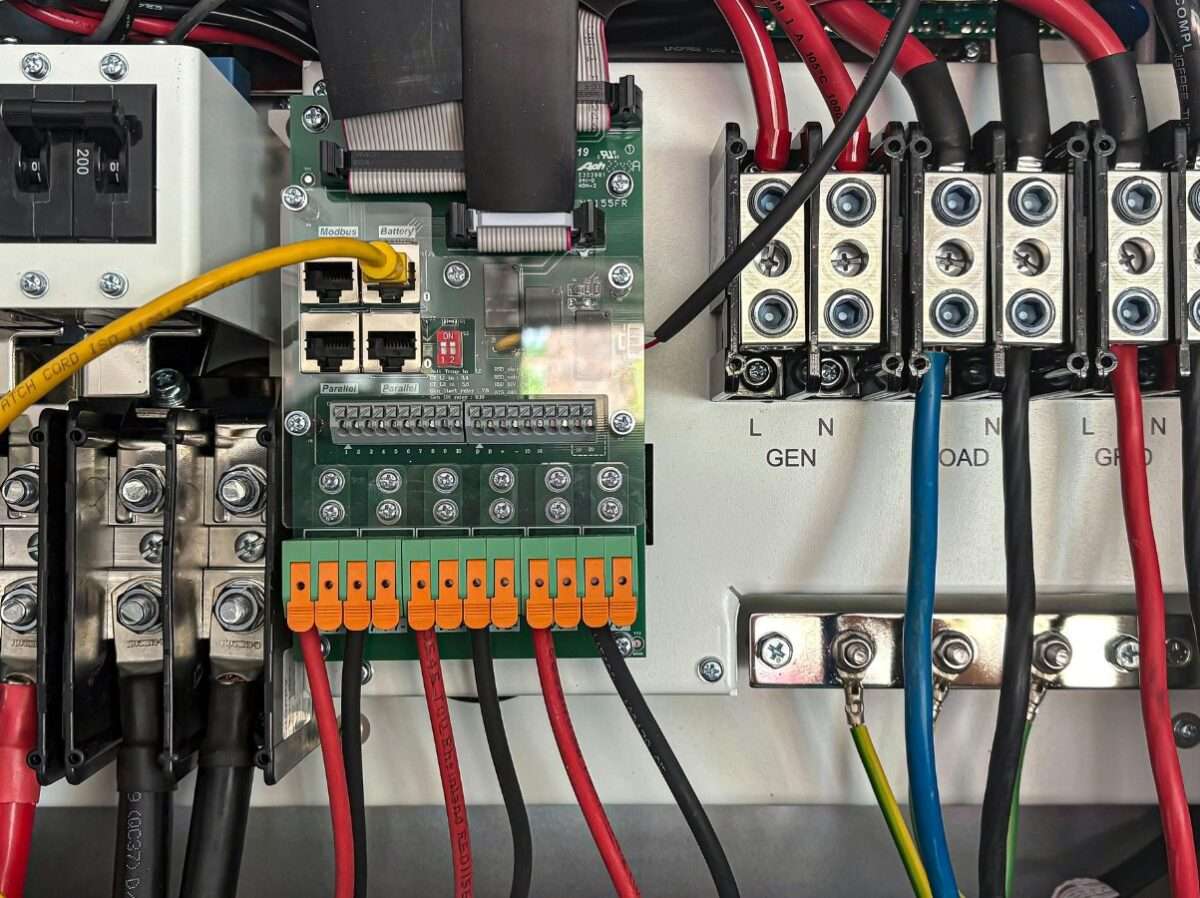
All homeowners ought to have the fundamental knowledge of the electrical plan of their home. Learn the location of the main breaker panel, the circuits that supply individual rooms, and the warning signals of a buzzing noise, burning odor or a hot outlet.
In the case that your house is old, with either aluminum or knob-and-tube wiring, DIY electrical work is much more dangerous. Professional assessment is highly suggested in such instances.
- Install Broken cords and outlets as soon as possible.
Wires that are frayed, broken outlets or loose plugs must not be overlooked. These are easily visible wear and tear marks of electricity and may cause shocks or fire when not addressed.
In case of replacement of outlets or switches, make sure the replacement is of the same electrical rating, and it should be properly installed. When in doubt, it is always better to seek the advice of a professional instead of making guesses.
- Keep Water and Electricity apart.
Water is a serious inflammatory hazard of electrical shock. One should not work with electrical systems in the damp environment or around water. Special care and usually specific features such as ground-fault circuit interrupters (GFCIs) are needed in kitchens, bathrooms and outdoors.
Wet hands must never touch electrical equipment, and outlets in the outside must be weatherproofed.
- Adhere to Electrical Codes and Standards.
There are electrical codes that are there to ensure that people are safe. In conducting DIY electrical, the local electrical regulations and standards should be observed. Omitting steps or working with non-compliant materials can save time in the first stages but cause severe risks and legal problems in the future.
Labeling, grounding, and spacing are not some small details that are not obligatory; they are important safety requirements.
- Discover When DIY is Not a Good Idea
DIY projects are only effective with simple things such as replacement of outlets or replacement of light fixtures. Professionals should always perform complex work like rewiring system, upgrading panels or installing high-power systems.
One of the most important safety skills that a homeowner can attain is knowing his/her limits.
The role of Professional Support in Improving Electrical Safety.
Although self-education is good, it is necessary to have professional advice to guarantee long-term safety and compliance. It is in this context that digital solutions and services supported by experts come in very handy.
Contec is an all in one platform that helps homeowners, builders and property managers to make smarter and safer construction and maintenance decisions. The users can have access to formal project planning, professional collaboration and clear project workflows which lower risk of electrical and other construction-related projects instead of using guesswork.
Services and Benefits of Contec.
Contec offers services which extend beyond the conventional construction management and can offer real value to the homeowners with regard to safety and efficiency:
Professionally-led Project Planning: Homeowners are able to know how to plan electrical improvements or fixes, thus preventing errors and cost surprises.
Professional Collaboration: It will also match users with professional people enabling those complicated electrical tasks to be attended to by qualified professionals.
Time and Cost Efficiency: The visibility of the project and clear workflows allow avoiding delays, re-work, and budget overruns.
Better Safety and Compliance: With the use of organized procedures and professional feedback, the homeowners will be in a position to confirm that the electrical work is up to the safety standards and regulations.
Centralized Project Management: All project information, records and progress reports are handled at a central location and the confusion and miscommunication is minimized.
Because of these advantages, Contec is particularly useful to people who keep their homes but would rather have someone supervising their DIY projects but not eliminate control.
Final Thoughts
Self-help in electrical work may be fulfilling but this must never be done at the cost of safety. With the proper safety tips in mind on electrical safety, the appropriate tools, and the knowledge of your home electrical system, you are able to complete just simple tasks with ease. More to the point, the awareness of when to retreat and engage professionals insures your house against the risks in the long-term.
A responsible DIY, combined with intelligent digital measures, such as Contec, can help ensure that homeowners are able to ensure that their homes are safe, efficient, and future-proof. It is not only about the prevention of accidents today but the construction of a reliable basis tomorrow because of electrical safety.