
Financing a Renovation vs. New Construction: A Side-by-Side Comparison
During the design of a residential or commercial project, there is always the issue of whether to transform an old building into a new one or begin anew with a new building. Although both of the options could produce great results, the financial consequences of them are quite different. Being aware of these differences can assist you to make a well-informed choice within your budget, timeline, and long-term goals.
We will discuss the main differences between financing a renovation and financing new construction in this guide, along with how the new digital solutions such as Contec can streamline the process.
- The first is the initial costs and budget planning.
Renovation Financing
The renovation projects seem to be cheaper in the short run since you have to deal with an existing building. The expenses incurred are usually demolition, repairs, upgrades, and labor. But other problems like structural damage, old wiring or plumbing problems can add up fast.
Renovations are typically financed by:
- Home improvement loans
- Personal loans
- Cash-out refinancing
- Lines of credit
Renovations are unpredictable and hence the lenders might be wary and always have a contingency buffer of 1020 percent.
New Construction Financing
New construction normally involves a greater start-up cost. Expenses involve land acquisition (unless owned), design, permit, materials and labor. The benefit however, is higher predictability of costs as all is planned upfront.
Typical sources of finance are:
- Construction loans (short term, milestone based financing)
- Construction-to-permanent loans
- Land loans
New construction is more costly in the short run, though, as it provides a greater degree of control over budgetary allocations and reduces unexpected costs.
- Structure and Approval Process of Loan.
Recant Posts

Top 10 Interior Design Companies in Gorakhpur – Complete Guide
October 21, 2026-
Top 10 Construction Companies in Gorakhpur: Your Complete Guide
October 20, 2026 -
Why Hire a Professional Interior Design Company in Gorakhpur?
October 19, 2026 -
2D and 3D House Design Services in Gorakhpur: Complete Guide
October 15, 2026 -
Interior Designer in Gorakhpur: Services, Cost and Design Process
October 13, 2026





Renovation Loans
Renovation loans are normally less complicated and quicker to get. Most lenders give approval based on the present value of the property and not the future value. Documentation needs tend to be less complicated.
But in the case of larger renovations lenders might demand:
- Detailed project plans
- Contractor estimates
- Inspection approvals
Construction Loans
Construction loans are more complicated. These are paid out in phases (draws) according to project milestones. Lenders require:
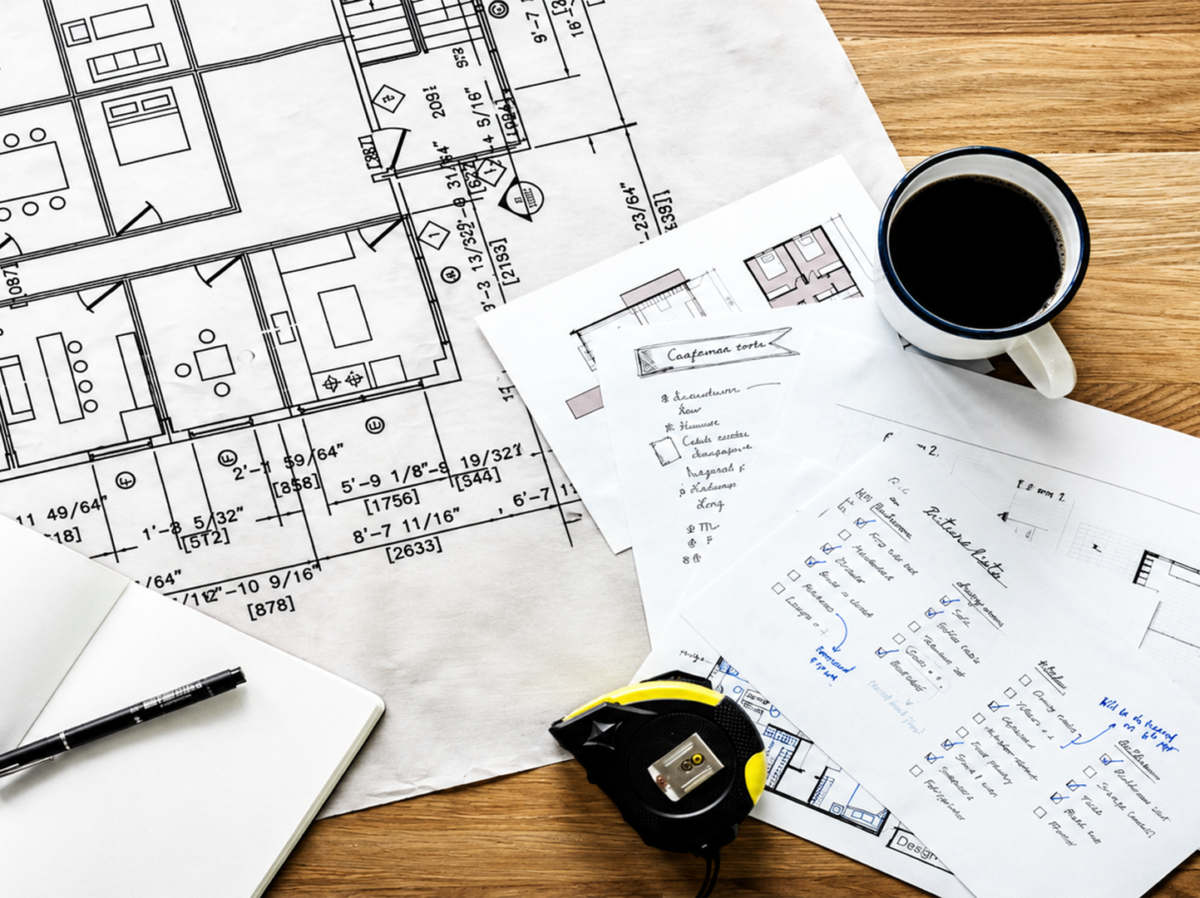
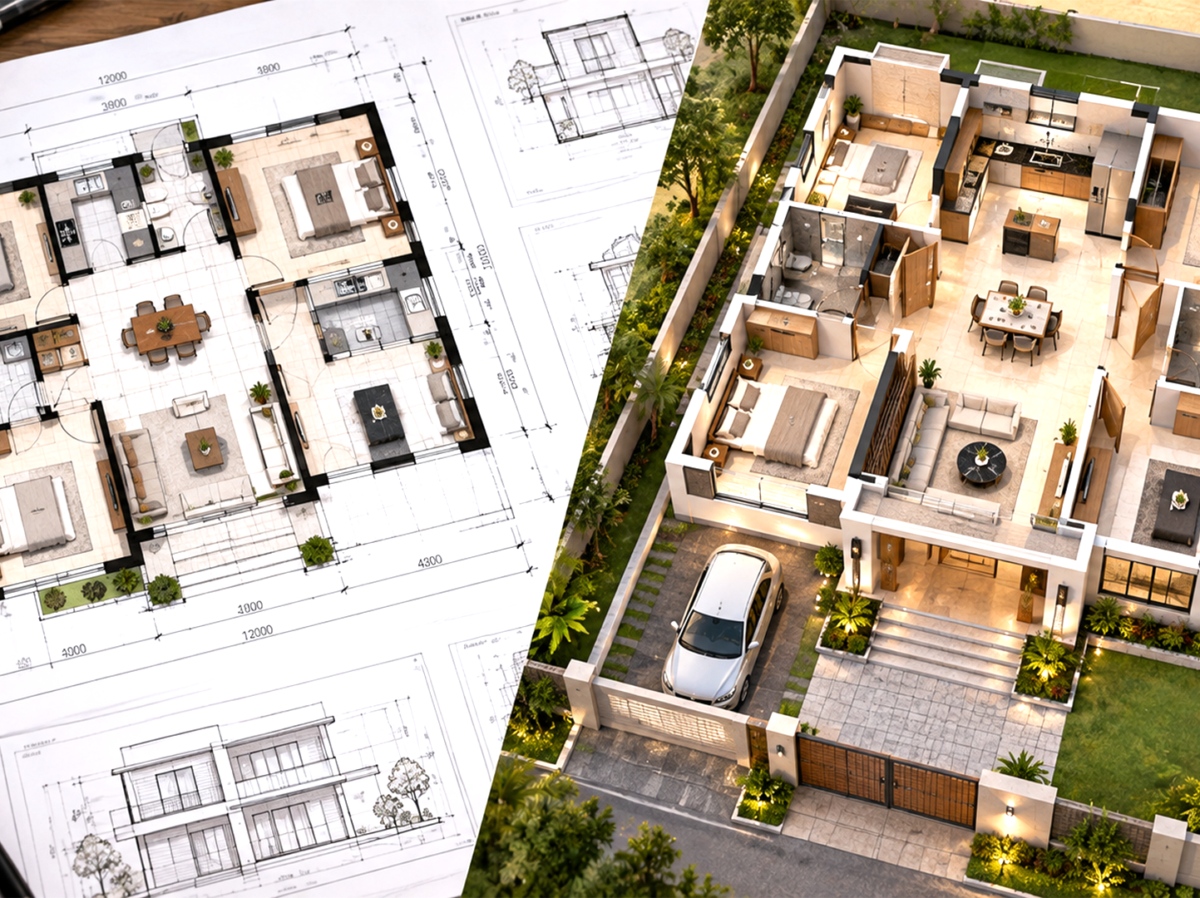
- Architectural plans
- Project timelines
- Builder credentials
- Cost breakdowns
Due to this, approval is more time consuming and subject to more scrutiny. Nevertheless, this design makes it efficient in the use of funds.
- Schedule and Economic Effect.
Renovation Projects
Renovation is generally quicker than new construction, but may experience delays as a result of unexpected problems. Shorter timelines mean:
- Lower interest costs
- Faster project completion
But structural surprises can add cost and stress due to delays.
New Construction Projects
New constructions are more time consuming with several months up to one year. This leads to:
Extended loan periods
Interest on larger amounts of money paid when constructing.
With that said, timelines tend to be more predictable, as the project begins on a clean slate.
- Risk Factor
Renovation Risks
- Hidden structural damage
- Obsolete systems in need of upgrading.
- Budget overruns
- Limited design flexibility
New Construction Risks
- Changes in the markets that have an impact on the cost of materials.
- Permit or weather delays.
- Higher financial commitment
Although these two alternatives come with risks, renovations have more uncertainties because of the unpredictability of the current structures.
- Long-Term Value and ROI
Renovation ROI
Renovations may also add a lot to the value of a property, particularly in the case of upgrading of kitchens, bathrooms or energy systems. But ROI is dependent on:
- Quality of work
- Market demand
- Property location
In other instances, excessive renovation will constrain returns.
New Construction ROI
New construction tends to provide better long-term value because of:
- Modern design
- Energy efficiency
- Lower maintenance costs
Resale or rental income potential can also be enhanced and new buildings are more appealing to buyers and tenants.
- Flexibility and Customization
Renovation
The existing structure restricts the nature of renovation projects. Although you can make improvements, there are some design limitations.
New Construction
The new constructions can be fully free:
- Layout customization
- Material selection
- Smart technology integration
This versatility usually warrants the increased price of numerous property owners.
- The way Contec makes financing and project management easier.
Regardless of whether you decide on renovation or new construction, finances, schedules, and paperwork may be daunting. Here Contec can give a strong advantage.
Contec is created to simplify the construction and renovation process with the help of a centralized digital platform. This is why it can be used:
1 .Budget Tracking and Cost Control.
Contec facilitates real-time budget tracking, so that you can prevent an overrun. You will be able to trace costs, compare estimates and be financially discipline during the project.
- Project Transparency
Having a clear view of all the steps of your project enables you to have an efficient use of funds, particularly when it comes to construction loans, where the funds are disbursed in stages.
- Document Management
Contec manages all documents related to loans, contractor agreements and permits in one place, hence lessening the administrative load.
- Collaboration Tools
Liaise effectively with contractors, architects and financial stakeholders. This enhances interaction and reduces wastage of time.
- Data-Driven Decisions
Contec offers insights that can assist you in making smarter financial and operational choices, be it renovating or constructing a new building.
Through the combination of financial management and project management, Contec mitigates risk and improves efficiency, and it will be easier to stay on schedule and on budget.
Thoughts on the Conclusion: What Choice is Right?
The decision of renovation or new construction is based on your priorities:
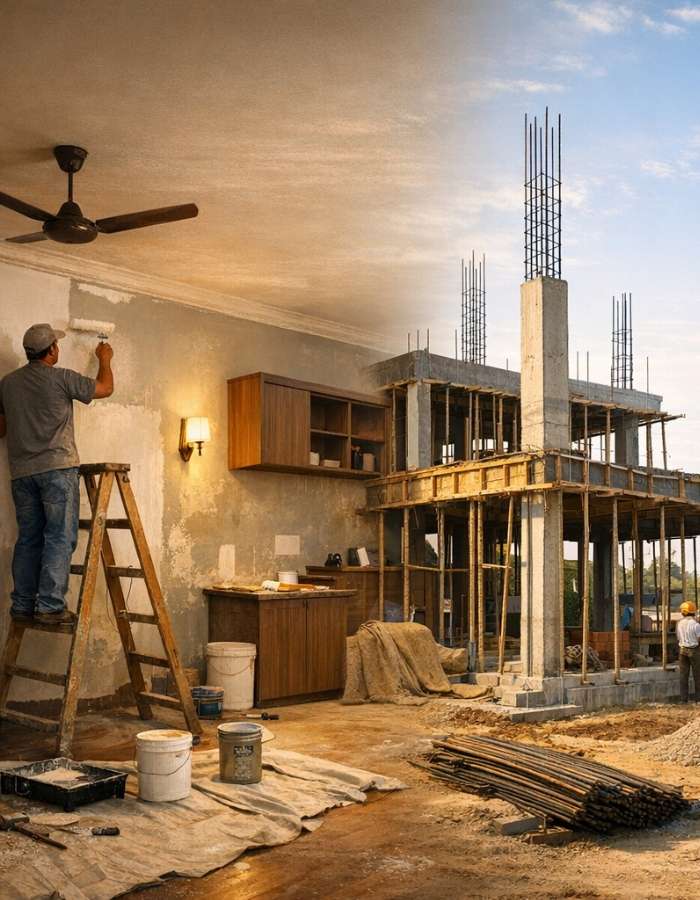
- In case you desire reduced initial expenditure and shorter construction time, renovation can prove to be more suitable.
- When you consider personalization, savings, and cutting-edge functions, new building is frequently worth the expense.
In terms of financing, renovation is usually easier but risky because of uncertainties whereas new building involves more planning, but has more control and predictability.
Regardless of the direction you decide to take, it could significantly change when you use a smart platform like Contec app. It gives you the strength to realize your vision by providing full project visibility, making collaboration better, and financial tracking more effective.
With proper planning, proper financing plan and proper tools, you will be guaranteed that your project is not only successful but will also be sustainable in the long term.